Digital Twins and Health: ENSTA Research on France Culture

Innovation, Research Engineering for health, Digital Science & Engineering
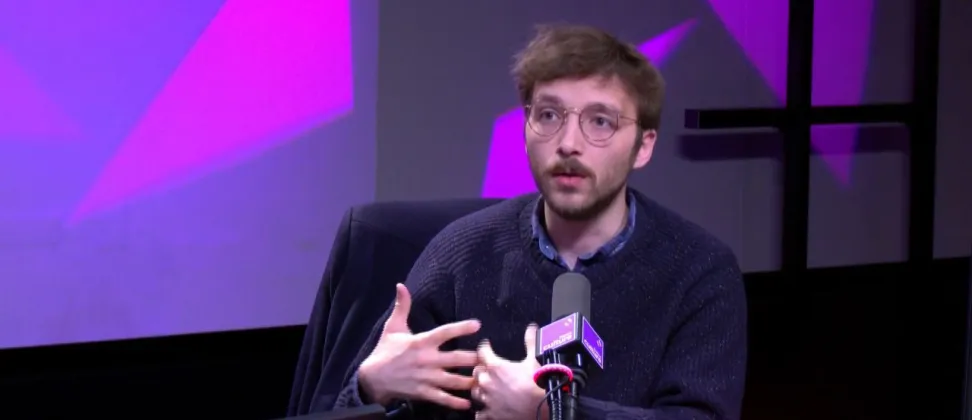
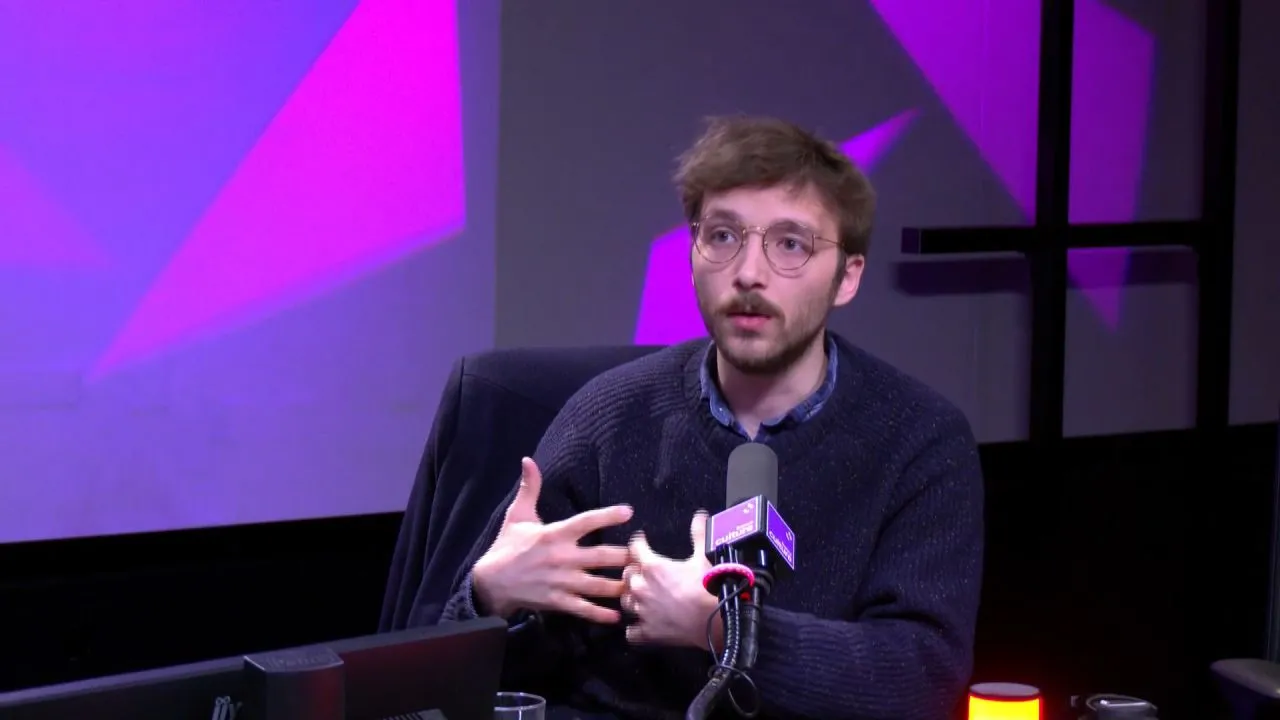
Alexandre Daby-Seesaram during his interview on France Culture

Will it one day be possible to predict how our vital organs will develop and how they will respond to certain treatments, or even to surgery? These are the possibilities opened up by digital twins applied to healthcare, a field in which Alexandre Daby-Seesaram, a lecturer and researcher at ENSTA’s Laboratory of Mechanics and Its Interfaces, is conducting research.

Mechanics, the science of motion, forces, and energy, enables us to understand and model the real world. It has been one of the key tools of engineering since the First Industrial Revolution. Today, advances in numerical simulation make it possible to solve the complex equations governing biological systems, thereby offering biomechanics an unprecedented field of application for deciphering living organisms.

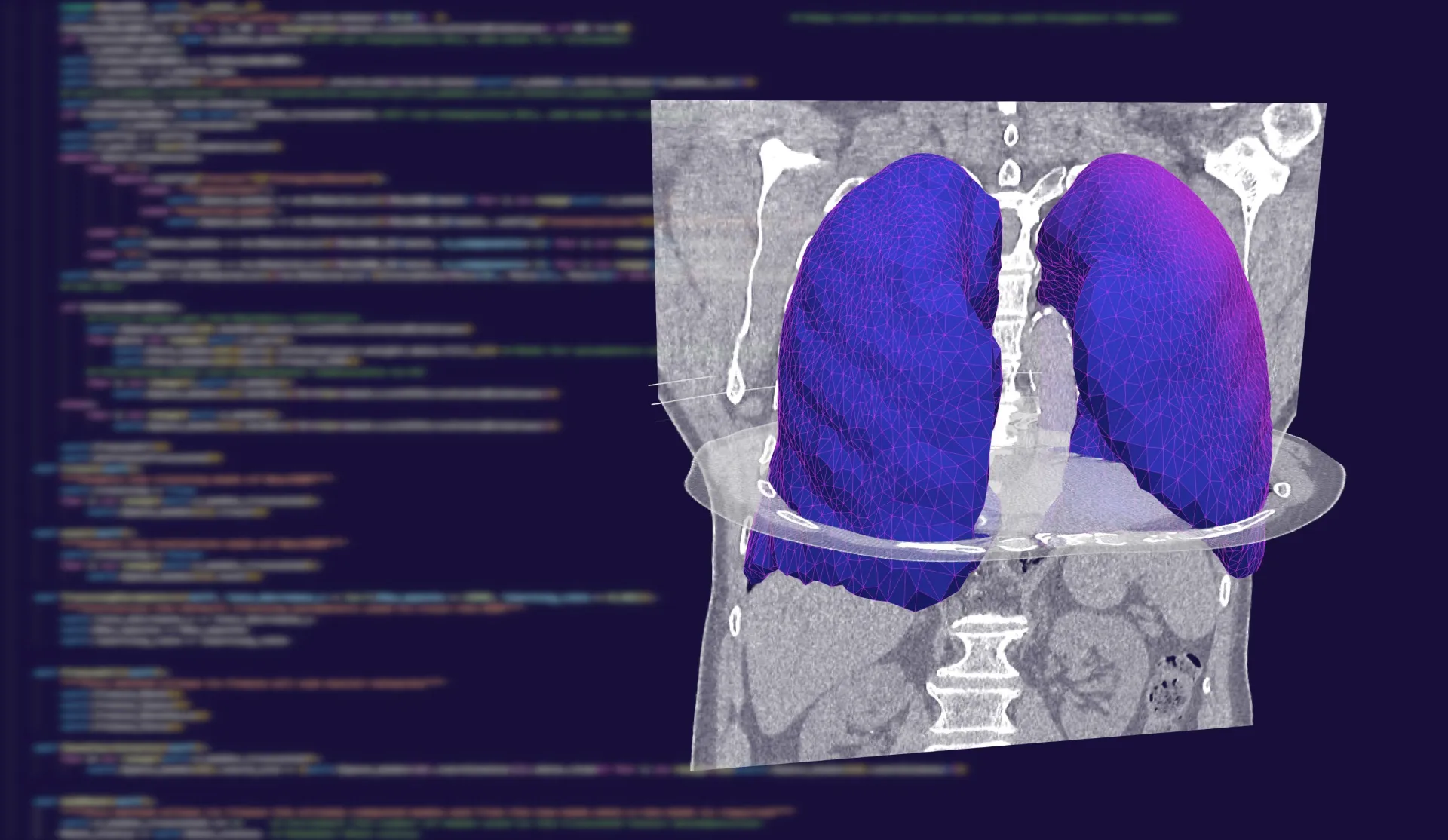
What are the applications? Alexandre Daby-Seesaram (LMI, ENSTA) and Martin Genet (LMS, École polytechnique) lead a research group focused on lung modeling. Their work involves reconstructing and registering 3D organ volumes—particularly those of human lungs—from medical images (CT scans, MRIs) in order to numerically solve the equations governing their behavior using supercomputers.

Digital twins of human lungs

Modeling can be taken to great lengths, down to the level of the alveoli—those tiny cavities, just one-tenth of a millimeter in size, that facilitate gas exchange with the blood. What are the implications for patient health? Learn more about their work in the France Culture series “Les chantiers de la recherche.” (in French language)

Alexandre Daby-Seesaram on France Culture

Our latest news

Alumni | Training | Research
A thesis on characterizing the strength of a submerged textile structure

Noise pollution generated during the installation of offshore wind turbines is attracting increasing attention. An engineer trained at ENSTA in the specialty of “mechanical modeling of materials and structures,” Jeanne Cavoit wrote her thesis on the...

A thesis on characterizing the strength of a submerged textile structure

Noise pollution generated during the installation of offshore wind turbines is attracting increasing attention. An engineer trained at ENSTA in the specialty of “mechanical modeling of materials and structures,” Jeanne Cavoit wrote her thesis on the...

Alumni | Innovation
DeepFoil: Two ENSTA Graduates Are Reinventing Underwater Exploration

Graduates in architecture and naval hydrodynamics, Emillia Perdigon and Paul François have designed the DeepFoil, a flying underwater wing that allows for effortless movement underwater. Fueled by public enthusiasm and investor support, their project is...

DeepFoil: Two ENSTA Graduates Are Reinventing Underwater Exploration

Graduates in architecture and naval hydrodynamics, Emillia Perdigon and Paul François have designed the DeepFoil, a flying underwater wing that allows for effortless movement underwater. Fueled by public enthusiasm and investor support, their project is...

Innovation | Research
Gabriel Betton: Exploring the karst networks

Beneath our feet, in the darkness of the underground, a natural network spanning more than a third of France’s territory supplies drinking water to nearly 30 million people. But the quality of this vast freshwater reservoir is threatened by climate change...

Gabriel Betton: Exploring the karst networks

Beneath our feet, in the darkness of the underground, a natural network spanning more than a third of France’s territory supplies drinking water to nearly 30 million people. But the quality of this vast freshwater reservoir is threatened by climate change...