Engineering for health

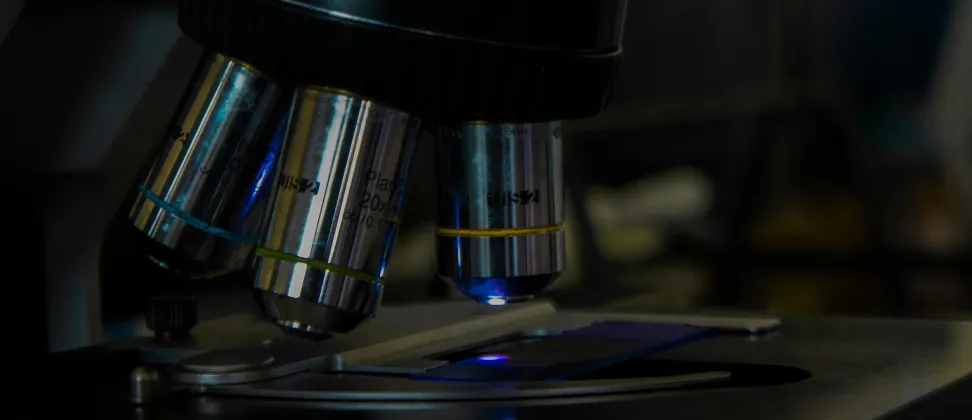
Engineering for health is a field where science and technology work together directly to serve humanity. Drawing on the combined expertise of its Paris-Saclay and Brest campuses, ENSTA is committed to meeting the challenges of tomorrow's medicine by mobilizing its skills in engineering, modeling, and technological innovation.

The Institute develops research and training programs covering a wide range of applications: smart medical devices, imaging and sensors, surgical and assistive robotics, biomedical data processing and analysis, artificial intelligence applied to health, and digital modeling of living organisms.

The school's specific strengths in this field are distinguished by:

  • A systemic and interdisciplinary approach, integrating mechanics, materials science, data science, and signal processing.
  • Recognized expertise in device and algorithm design for diagnosis, prevention, and rehabilitation.
  • Close partnerships with hospitals, industry, and academia, which promote innovation and in situ experimentation.
  • A commitment to personalized medicine and sustainable health, through work on biotechnology, human-machine interfaces, and digital simulation.

Through these areas of focus, ENSTA is positioning itself as a key player in healthcare innovation, training engineers capable of combining scientific excellence, creativity, and a sense of social responsibility. Its graduates are already helping to shape a more efficient, accessible, and forward-looking medical engineering sector.

Our latest news

Innovation | Research
DyNNamo, AI for the benefit of people with disabilities

While artificial intelligence is gradually being deployed in all areas of mobility, the field of disability presents particular challenges in terms of robustness, reliability, and adaptation to a wide variety of situations.

DyNNamo, AI for the benefit of people with disabilities

While artificial intelligence is gradually being deployed in all areas of mobility, the field of disability presents particular challenges in terms of robustness, reliability, and adaptation to a wide variety of situations.

Training | Innovation | Student Life
Two ENSTA teams take part in the FWC international challenge dedicated to floating wind turbines

In July, two teams of ENSTA students (from the Paris-Saclay and Brest campuses) will be in Zeebrugge, Belgium, to test their floating wind turbine prototypes. The two projects were selected as finalists in the international Floating Wind Challenge...

Two ENSTA teams take part in the FWC international challenge dedicated to floating wind turbines

In July, two teams of ENSTA students (from the Paris-Saclay and Brest campuses) will be in Zeebrugge, Belgium, to test their floating wind turbine prototypes. The two projects were selected as finalists in the international Floating Wind Challenge...

Research
Ensuring the reliability of electronic chips at the heart of many strategic digital systems

As the brains of electronic devices, semiconductors or microchips are essential components in every computer, smartphone, car, airplane, MRI machine, and more. At the heart of our daily lives, their reliability is essential to ensuring that systems...

Ensuring the reliability of electronic chips at the heart of many strategic digital systems

As the brains of electronic devices, semiconductors or microchips are essential components in every computer, smartphone, car, airplane, MRI machine, and more. At the heart of our daily lives, their reliability is essential to ensuring that systems...