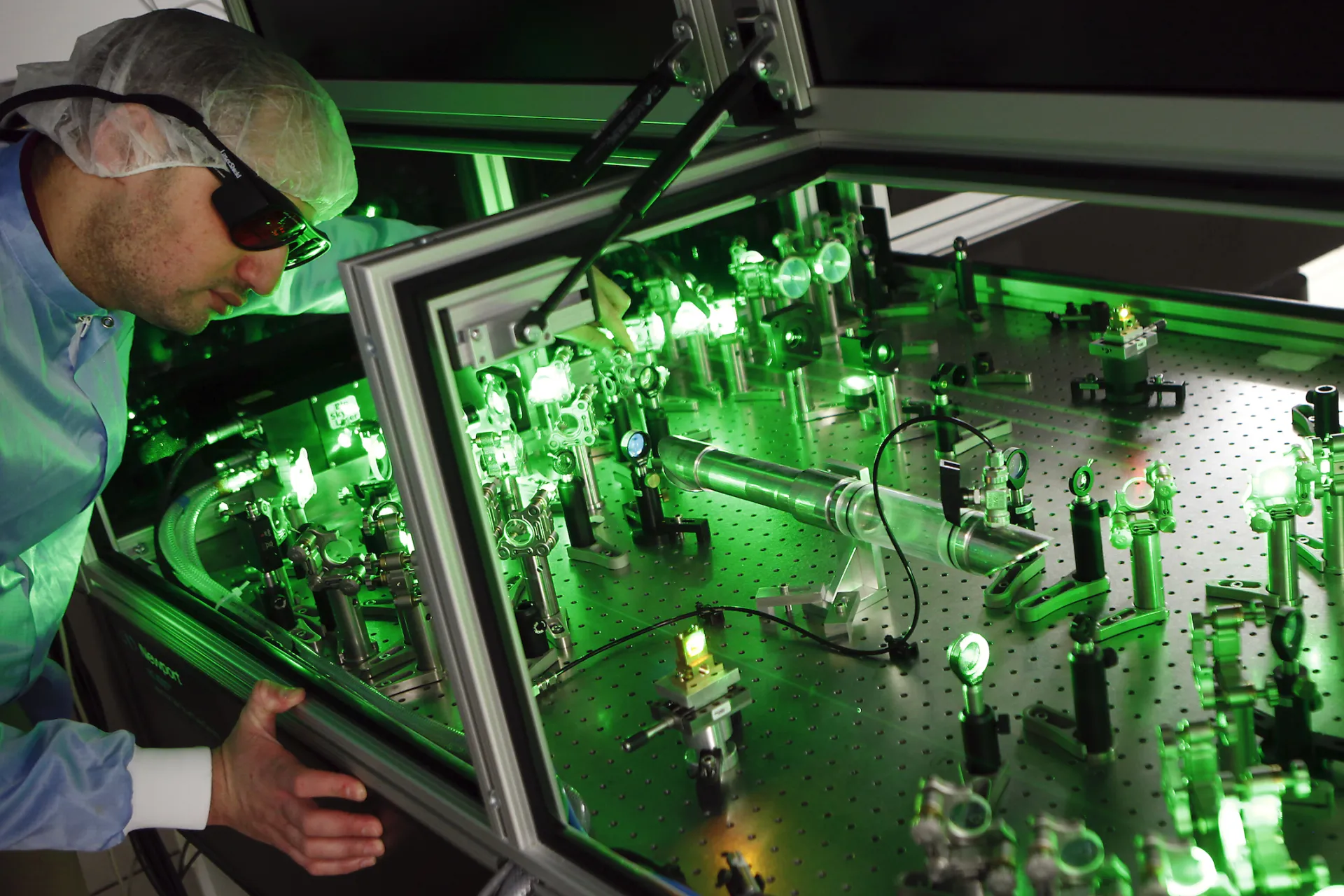
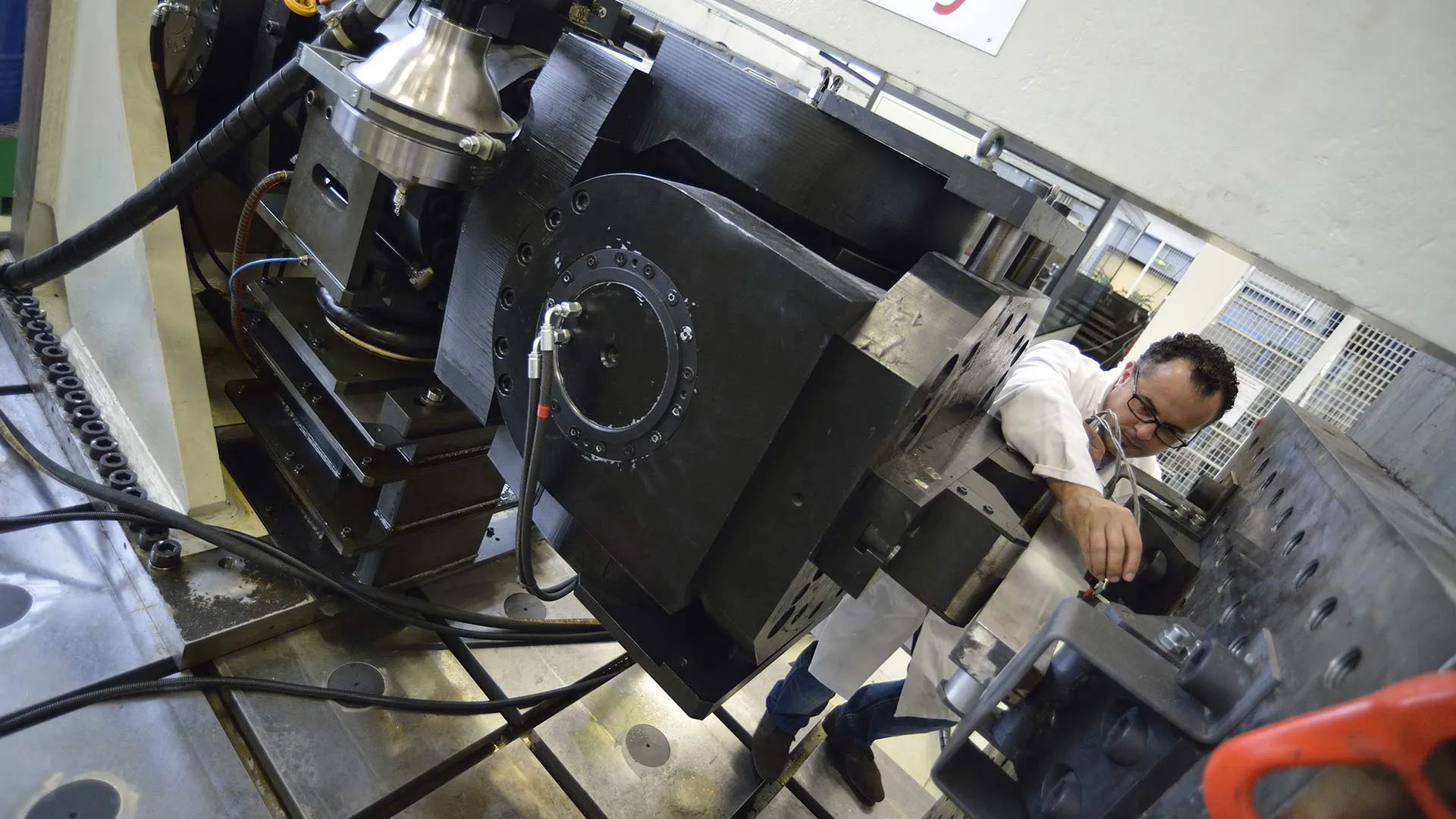
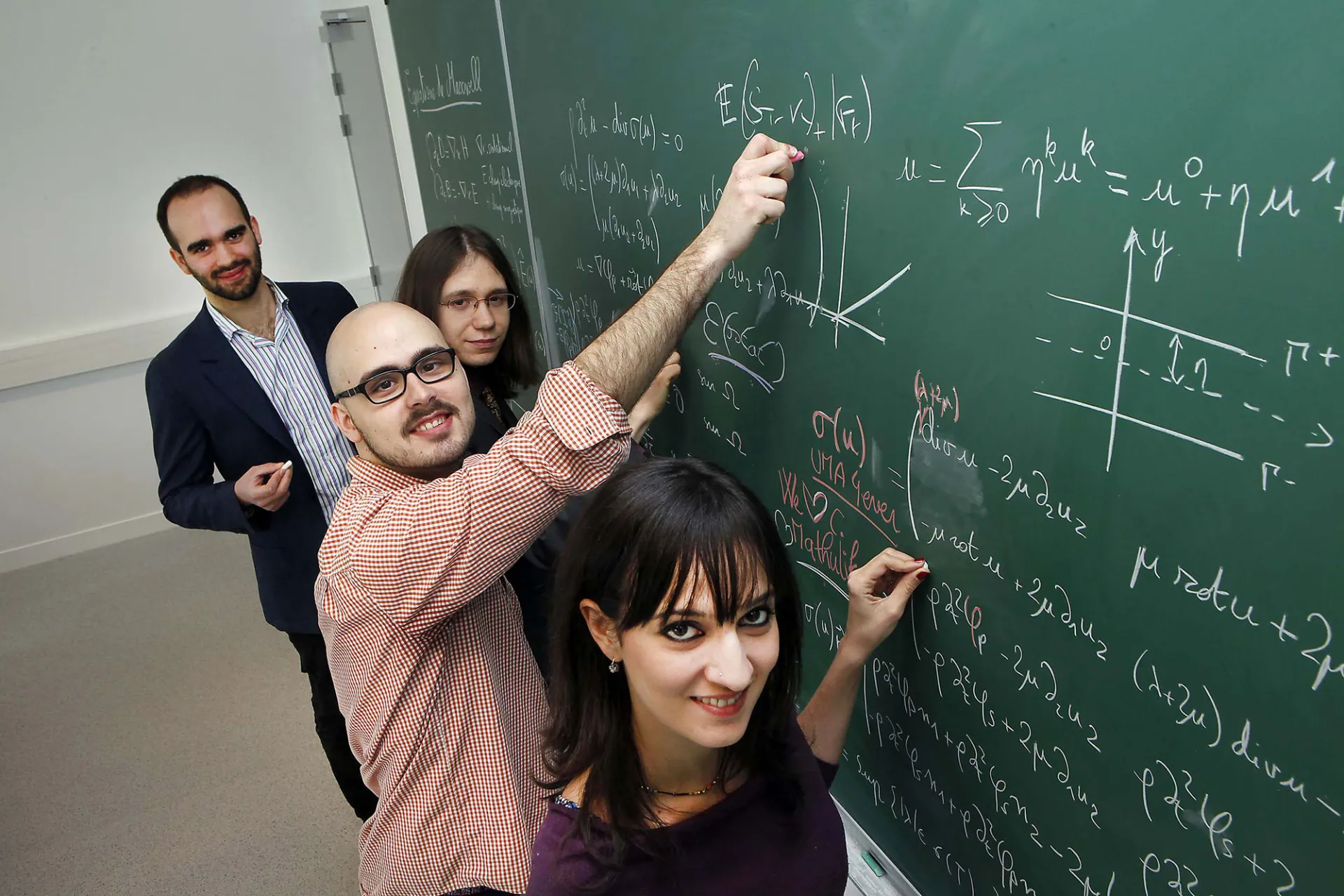

ENSTA's research, focused on applications in synergy with industrial needs, is structured around priority themes that correspond to the historical expertise of its Paris-Saclay and Brest campuses, as well as crucial challenges for the future: maritime, security and defense, sustainable energy, transport, and health. Digital technology accompanies and supports each of these areas.

The research conducted at ENSTA aims to produce scientific and technological knowledge at the highest international level, from fundamental sciences to their applications. It feeds into the first-rate training of its engineering students.

This research is carried out within six Training and Research Units, three of which are spread across the two campuses. These are the UFRs for Computer Science & System Engineering (S2I), Mechanical Science and Engineering, and Humanities, Economics, and Social Sciences (SHES), which are complemented by single-site UFRs: Physics, Chemistry and Chemical Engineering, and Applied Mathematics.

These UFRs carry out ENSTA's research strategy while bringing together the historic research units of the two campuses, most of which are linked by multi-year agreements with major French research organizations, higher education institutions, and industrial partners.

ENSTA's research benefits from extensive and original experimental resources that enable the scientific results obtained in all disciplines to be validated. It is also part of the Institut Polytechnique de Paris, which promotes the pooling of expertise and research infrastructure in order to break new ground in knowledge.

Our latest news

Alumni | Training | Research
A thesis on characterizing the strength of a submerged textile structure

Noise pollution generated during the installation of offshore wind turbines is attracting increasing attention. An engineer trained at ENSTA in the specialty of “mechanical modeling of materials and structures,” Jeanne Cavoit wrote her thesis on the...

A thesis on characterizing the strength of a submerged textile structure

Noise pollution generated during the installation of offshore wind turbines is attracting increasing attention. An engineer trained at ENSTA in the specialty of “mechanical modeling of materials and structures,” Jeanne Cavoit wrote her thesis on the...

Alumni | Innovation
DeepFoil: Two ENSTA Graduates Are Reinventing Underwater Exploration

Graduates in architecture and naval hydrodynamics, Emillia Perdigon and Paul François have designed the DeepFoil, a flying underwater wing that allows for effortless movement underwater. Fueled by public enthusiasm and investor support, their project is...

DeepFoil: Two ENSTA Graduates Are Reinventing Underwater Exploration

Graduates in architecture and naval hydrodynamics, Emillia Perdigon and Paul François have designed the DeepFoil, a flying underwater wing that allows for effortless movement underwater. Fueled by public enthusiasm and investor support, their project is...

Innovation | Research
Gabriel Betton: Exploring the karst networks

Beneath our feet, in the darkness of the underground, a natural network spanning more than a third of France’s territory supplies drinking water to nearly 30 million people. But the quality of this vast freshwater reservoir is threatened by climate change...

Gabriel Betton: Exploring the karst networks

Beneath our feet, in the darkness of the underground, a natural network spanning more than a third of France’s territory supplies drinking water to nearly 30 million people. But the quality of this vast freshwater reservoir is threatened by climate change...