The energy transition is one of the major challenges of the 21st century, and ENSTA places innovation at the heart of this movement. With its campuses in Paris-Saclay and Brest, the Institute has a unique base of scientific and technological expertise to meet the growing demand for clean, reliable, and accessible energy.

The energy transition is one of the major challenges of the 21st century, and ENSTA places innovation at the heart of this movement. With its campuses in Paris-Saclay and Brest, the school has a unique base of scientific and technological expertise to meet the growing demand for clean, reliable, and accessible energy.

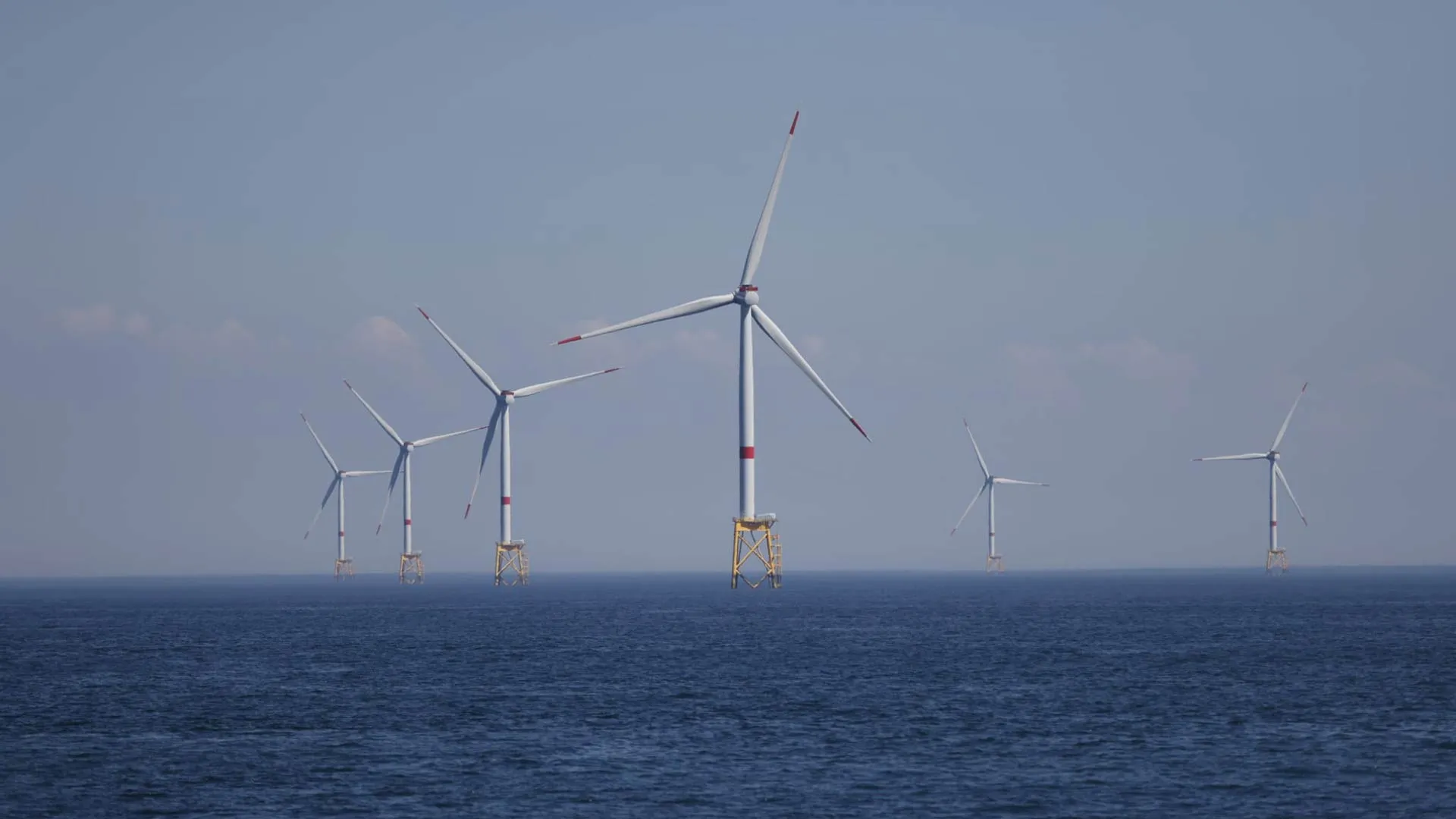
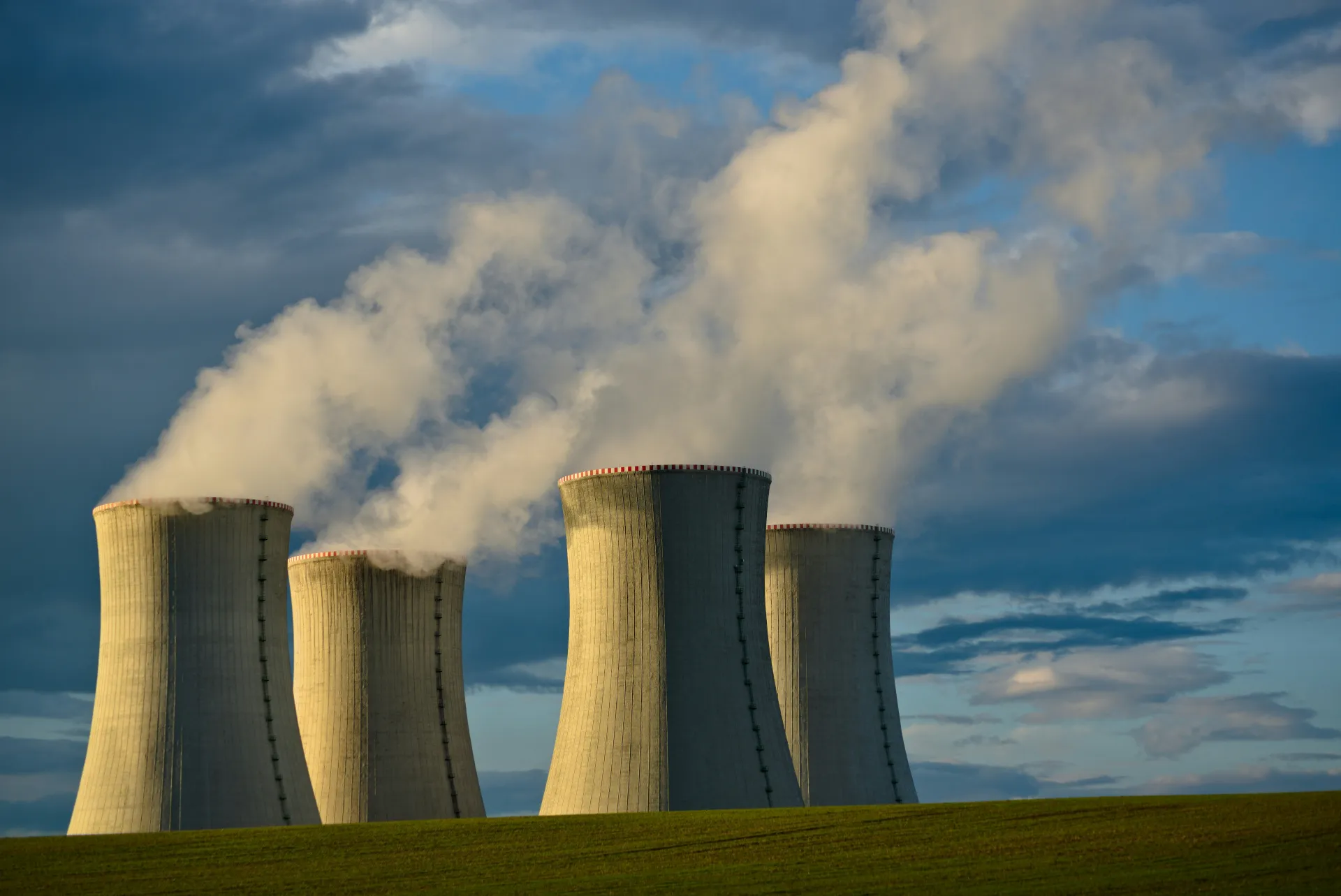
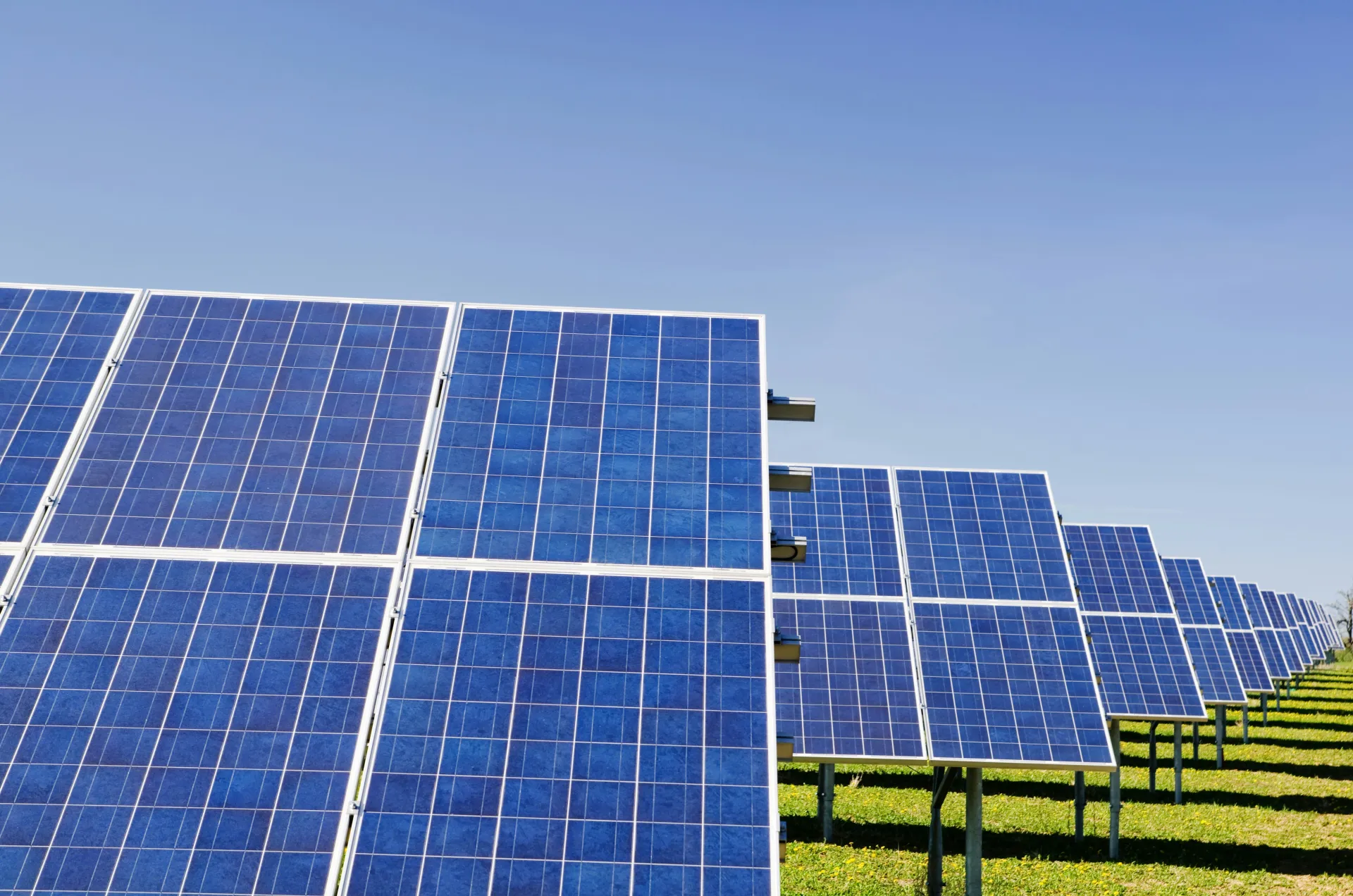
Its teaching and research teams explore and develop a wide range of solutions: marine renewable energies (offshore wind, tidal, wave power), solar, hydrogen, nuclear, energy storage, smart grids, and multi-energy system optimization. The school also works on energy efficiency, the electrification of uses, and the integration of renewable energies into existing infrastructure.

ENSTA's specific strengths in this field are based on:

  • Leading maritime and oceanic expertise, which makes ENSTA a major player in marine renewable energies.
  • A multidisciplinary approach, combining mechanics, materials, electrical engineering, computer science, and data science to design comprehensive and robust solutions.
  • An ambitious nuclear specialization with a strong scientific focus on reactor physics, neutronics, and thermohydraulics.
  • Close collaboration with industry and public bodies, promoting full-scale experimentation and accelerating technology transfer.

Through its training and research, ENSTA prepares engineers capable of inventing and implementing the energy technologies of tomorrow. Their mission: to contribute to a more sustainable, resilient, and environmentally friendly energy future.

Our latest news

Institute | Innovation | Student Life
Artificial intelligence at the service of sailors with the SPASEA hackathon

How can we help sailors identify suspicious vessels? On December 4 and 5, around fifty students from ENSTA, IMT Atlantique, and Ecole Navale gathered at the ENSTA campus in Brest for the SPASEA hackathon. Organized by Naval Group and the DGA in...

Artificial intelligence at the service of sailors with the SPASEA hackathon

How can we help sailors identify suspicious vessels? On December 4 and 5, around fifty students from ENSTA, IMT Atlantique, and Ecole Navale gathered at the ENSTA campus in Brest for the SPASEA hackathon. Organized by Naval Group and the DGA in...

Innovation | Research
DyNNamo, AI for the benefit of people with disabilities

While artificial intelligence is gradually being deployed in all areas of mobility, the field of disability presents particular challenges in terms of robustness, reliability, and adaptation to a wide variety of situations.

DyNNamo, AI for the benefit of people with disabilities

While artificial intelligence is gradually being deployed in all areas of mobility, the field of disability presents particular challenges in terms of robustness, reliability, and adaptation to a wide variety of situations.

Training | Innovation | Student Life
Two ENSTA teams take part in the FWC international challenge dedicated to floating wind turbines

In July, two teams of ENSTA students (from the Paris-Saclay and Brest campuses) will be in Zeebrugge, Belgium, to test their floating wind turbine prototypes. The two projects were selected as finalists in the international Floating Wind Challenge...

Two ENSTA teams take part in the FWC international challenge dedicated to floating wind turbines

In July, two teams of ENSTA students (from the Paris-Saclay and Brest campuses) will be in Zeebrugge, Belgium, to test their floating wind turbine prototypes. The two projects were selected as finalists in the international Floating Wind Challenge...