France 2030 Robotics Acceleration Research Program: ENSTA at the forefront

Research Digital Science & Engineering

At the VivaTech trade show in mid-June, the French government announced the launch of the Robotics Acceleration Research Program, in which two ENSTA laboratories (Lab-STICCand U2IS ) will play an active role.

Led by the CNRS as part of France 2030, the €30 million Robotics Acceleration Research Program aims to structure fundamental research in order to remove the scientific and technical barriers to intelligent robotics.

By mobilizing research players around cross-disciplinary issues, this program will facilitate convergence between artificial intelligence and robotics. The program will address issues such as control, locomotion, perception, adaptation and frugality.

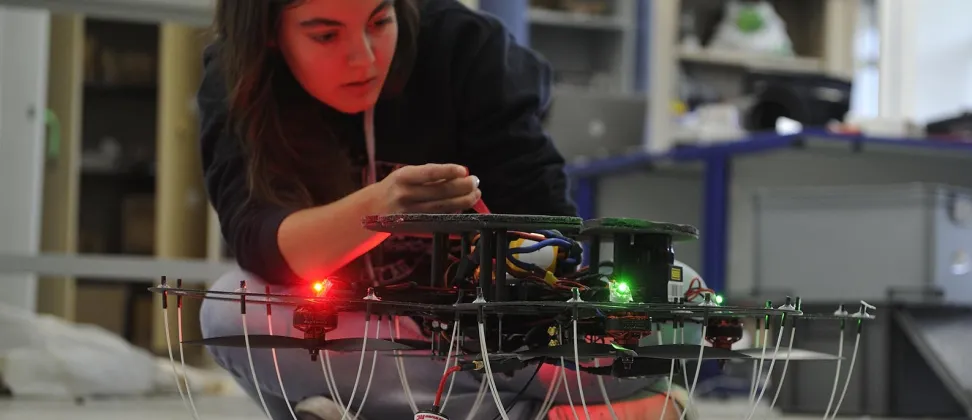
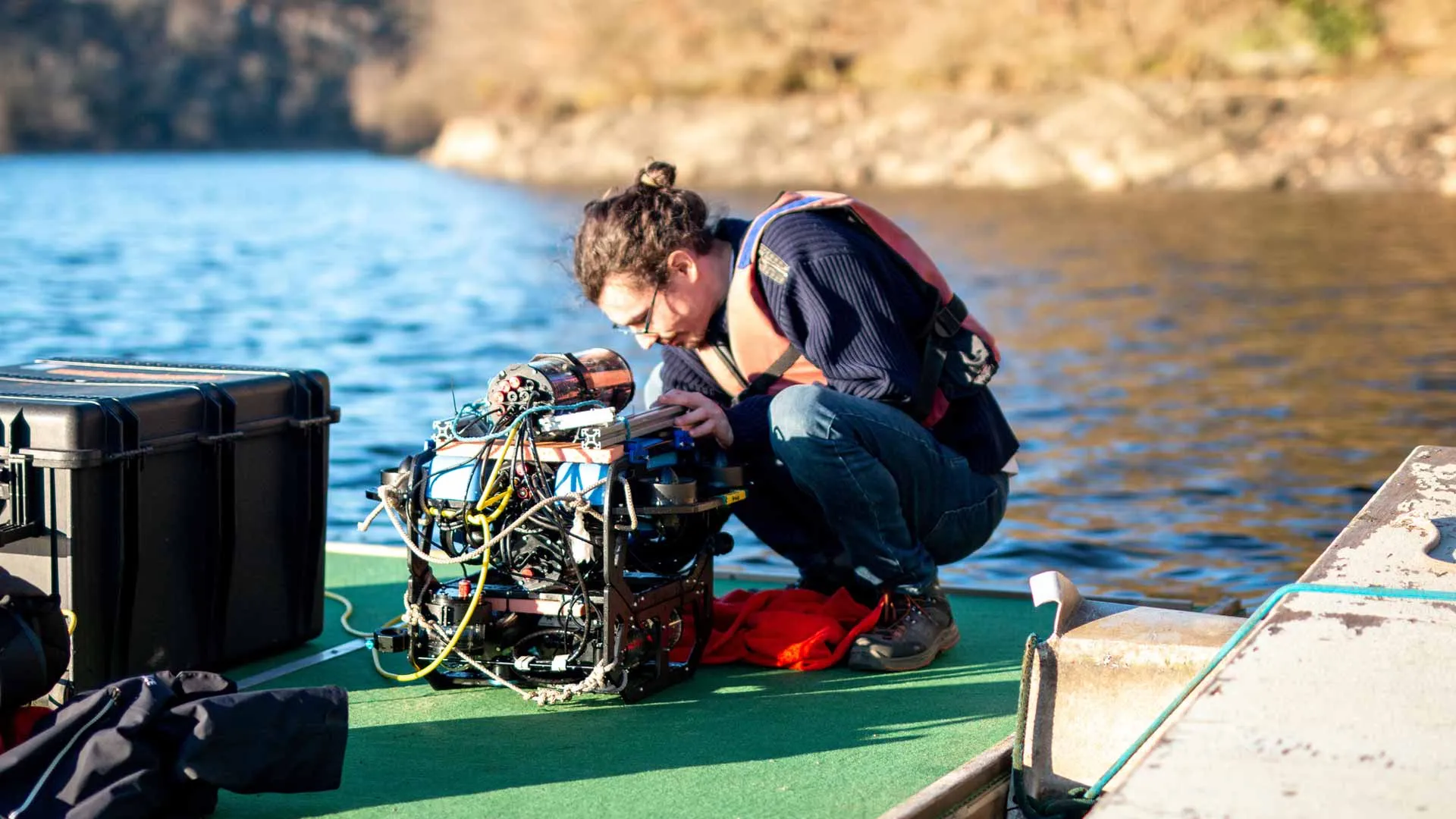
ENSTA's laboratories, Lab-STICC in Brest and U2IS in Paris-Saclay, will be involved, with their partners, in several of the targeted projects making up the Robotics Acceleration Research Program. In particular, ENSTA will be co-coordinator of one of these projects on safe, cooperative perception in open environments. These projects are directly in line with the themes developed within ENSTA's robotics platform.

Robotique_Brest.jpg

The research carried out under this program will enable French research to position itself on critical technological bricks, with the aim of developing advanced prototypes and solutions that can be transferred to industry. The program includes funding for theses, post-doctorates and research engineer positions; training; strengthening exchanges with industry on the one hand, and with partners in Europe on the other; and leading a unified AI and Robotics community.

Our latest news

Alumni | Training | Research
A thesis on characterizing the strength of a submerged textile structure

Noise pollution generated during the installation of offshore wind turbines is attracting increasing attention. An engineer trained at ENSTA in the specialty of “mechanical modeling of materials and structures,” Jeanne Cavoit wrote her thesis on the...

A thesis on characterizing the strength of a submerged textile structure

Noise pollution generated during the installation of offshore wind turbines is attracting increasing attention. An engineer trained at ENSTA in the specialty of “mechanical modeling of materials and structures,” Jeanne Cavoit wrote her thesis on the...

Alumni | Innovation
DeepFoil: Two ENSTA Graduates Are Reinventing Underwater Exploration

Graduates in architecture and naval hydrodynamics, Emillia Perdigon and Paul François have designed the DeepFoil, a flying underwater wing that allows for effortless movement underwater. Fueled by public enthusiasm and investor support, their project is...

DeepFoil: Two ENSTA Graduates Are Reinventing Underwater Exploration

Graduates in architecture and naval hydrodynamics, Emillia Perdigon and Paul François have designed the DeepFoil, a flying underwater wing that allows for effortless movement underwater. Fueled by public enthusiasm and investor support, their project is...

Innovation | Research
Gabriel Betton: Exploring the karst networks

Beneath our feet, in the darkness of the underground, a natural network spanning more than a third of France’s territory supplies drinking water to nearly 30 million people. But the quality of this vast freshwater reservoir is threatened by climate change...

Gabriel Betton: Exploring the karst networks

Beneath our feet, in the darkness of the underground, a natural network spanning more than a third of France’s territory supplies drinking water to nearly 30 million people. But the quality of this vast freshwater reservoir is threatened by climate change...