Aeronautics & Space

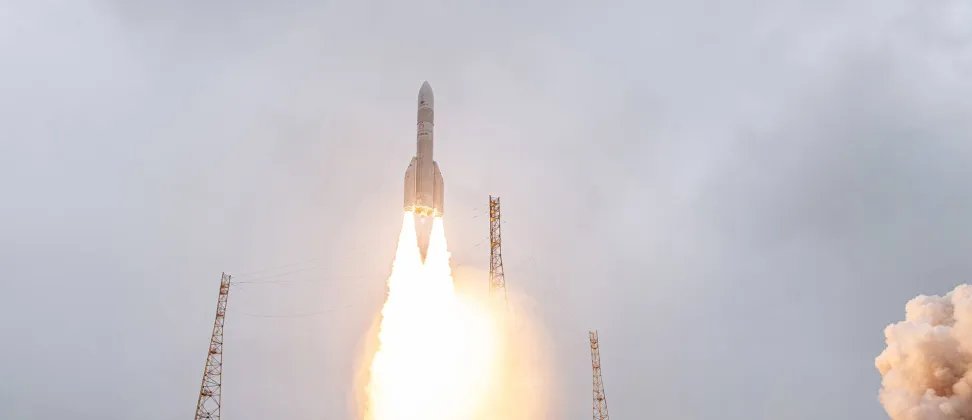
© CNES/ESA/Arianespace-ArianeGroup/Optique Vidéo CSG/P Piron, 2025

The “Aeronautics and Space” track is offered in semesters 4 and 5 of the engineering program specializing in “Defense and Security.” It is run on the ISAE Supaéro campus in Toulouse.

Objective: to train engineers who are capable of mastering all aeronautical and space technologies, from architectural design to the operational integration of the most advanced systems.

The track covers aeronautics, space systems, and launch vehicles as well as missiles, drones, and helicopters. Combining fundamental sciences, applied engineering, and design projects, it prepares students to tackle major technological challenges related to defense, security, and the major aeronautics and space industries.

Main courses in Semester 4

  • Structural Architecture
  • Applied Aeronautics
  • Applied Propulsion
  • Preliminary Design
  • Flight Dynamics

Main courses in Semester 5

  • Digital Systems: Data Links, Radar, Satellite Navigation
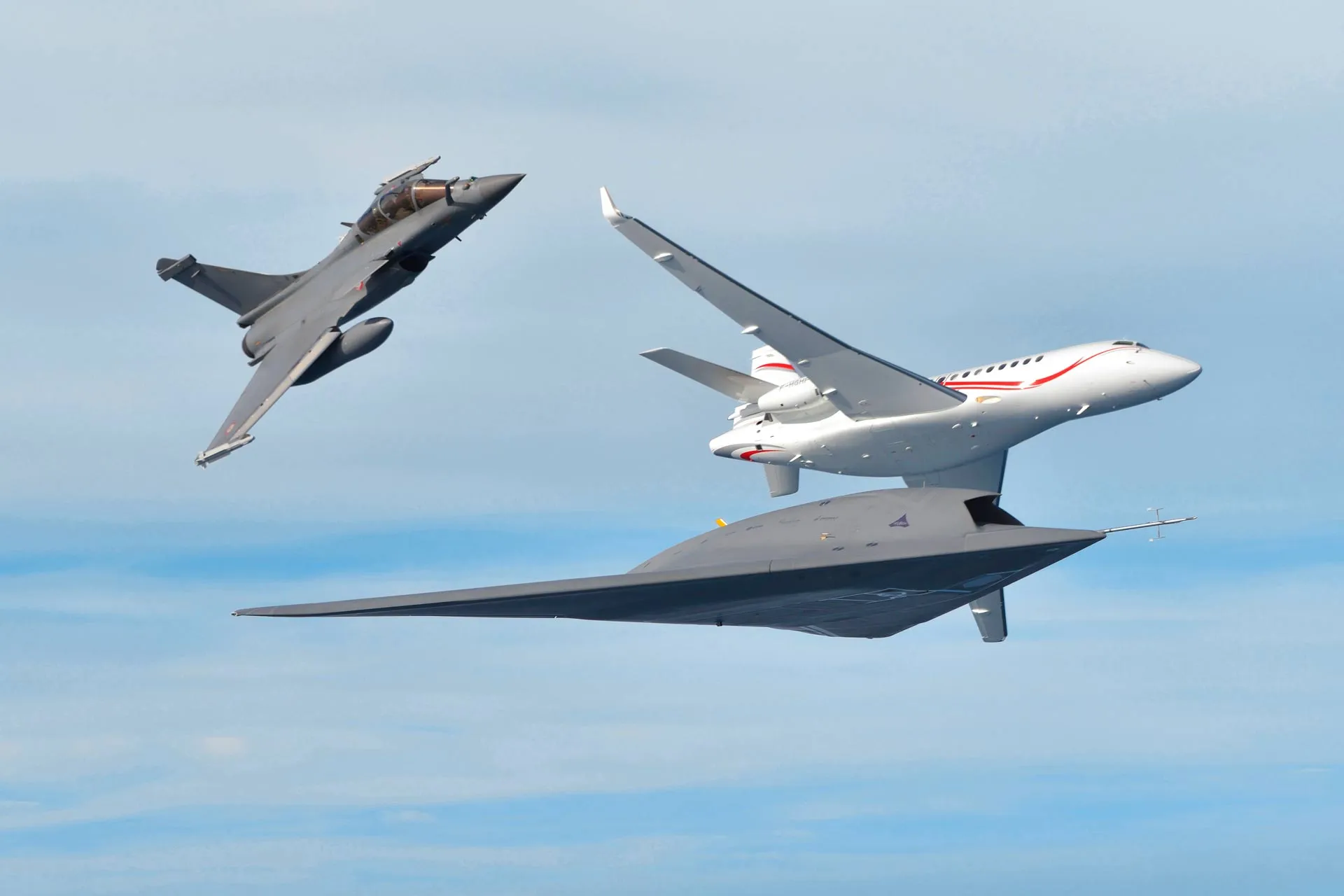
  • Aircraft: Architectures, Certification, Stealth, Advanced Concepts (Aerodynamics, Propulsion, Structures and Materials…)
  • Space Systems: Environment, Advanced Space Mechanics, Telecommunications-Navigation-Observation, Space Programs, Space System and Satellite Architectures
  • Launch vehicles and ballistic missiles: mission analysis, propulsion, aerodynamics and aerothermodynamics, structures & materials, avionics, trajectory, environmental issues, design office.
  • Tactical missiles and projectiles: flight-control-guidance, aerodynamics, propulsion, payloads, architecture-mission-performance-certification-design.
  • Drones, helicopters: flight dynamics, vibromechanics, and manufacturing of rotary-wing aircraft; piloting and guidance of drones and swarms, & their payloads; aerodynamics of propulsion systems; architecture, mission, performance, standards & regulations, and design.

Career prospects

By choosing this track, you will prepare to:

  • Design the aircraft of the future, working on aerodynamics, propulsion, advanced materials, and certification.
  • Develop space systems (satellites, constellations, telecommunications, observation, navigation) for industry and institutional programs.
  • Participate in major launch vehicle and missile projects, from mission analysis to architecture, integrating performance, safety, and environmental considerations.
  • Innovate in the field of drones and helicopters, whether in piloting, swarm guidance, payloads, or the design of new architectures.
  • Work within major aerospace and space groups (Airbus, ArianeGroup, Safran, Dassault…), research organizations, and defense institutions.
© Dassault

Our latest news

Alumni | Training | Research
A thesis on characterizing the strength of a submerged textile structure

Noise pollution generated during the installation of offshore wind turbines is attracting increasing attention. An engineer trained at ENSTA in the specialty of “mechanical modeling of materials and structures,” Jeanne Cavoit wrote her thesis on the...

A thesis on characterizing the strength of a submerged textile structure

Noise pollution generated during the installation of offshore wind turbines is attracting increasing attention. An engineer trained at ENSTA in the specialty of “mechanical modeling of materials and structures,” Jeanne Cavoit wrote her thesis on the...

Alumni | Innovation
DeepFoil: Two ENSTA Graduates Are Reinventing Underwater Exploration

Graduates in architecture and naval hydrodynamics, Emillia Perdigon and Paul François have designed the DeepFoil, a flying underwater wing that allows for effortless movement underwater. Fueled by public enthusiasm and investor support, their project is...

DeepFoil: Two ENSTA Graduates Are Reinventing Underwater Exploration

Graduates in architecture and naval hydrodynamics, Emillia Perdigon and Paul François have designed the DeepFoil, a flying underwater wing that allows for effortless movement underwater. Fueled by public enthusiasm and investor support, their project is...

Innovation | Research
Gabriel Betton: Exploring the karst networks

Beneath our feet, in the darkness of the underground, a natural network spanning more than a third of France’s territory supplies drinking water to nearly 30 million people. But the quality of this vast freshwater reservoir is threatened by climate change...

Gabriel Betton: Exploring the karst networks

Beneath our feet, in the darkness of the underground, a natural network spanning more than a third of France’s territory supplies drinking water to nearly 30 million people. But the quality of this vast freshwater reservoir is threatened by climate change...