Robotics at the heart of new pollution control devices

Research Marine Engineering, Digital Science & Engineering

A container falls into the sea, spilling its contents and releasing pollutants of unknown nature. To anticipate such a crisis situation and respond as quickly as possible, teams from CEPPOL and CEDRE, with the help of researchers from ENSTA, collaborated on an exercise to combat chemical pollution at sea.

This full-scale exercise, which took place at the end of January in Brest, brought together a group of participants with the following objectives:

  1. Collect a sample from the surface using a drone piloted by firefighters
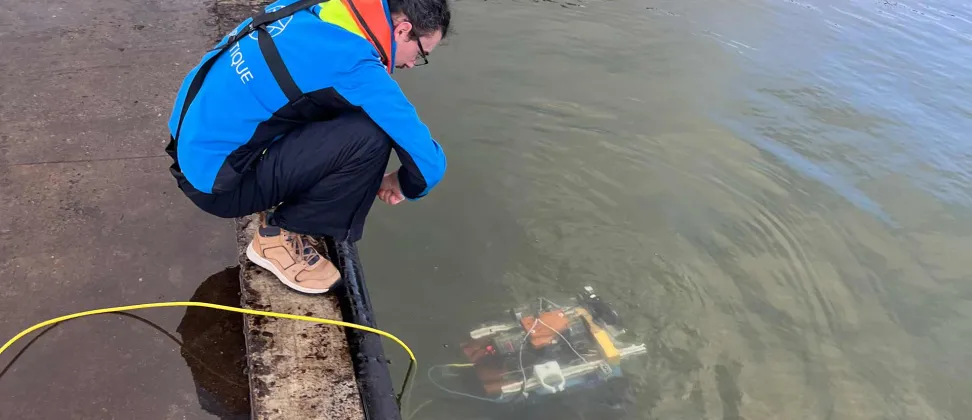
  2. Take a sample as close as possible to the pollution using a remotely operated robot
  3. Recover the leaking drum with the help of bomb disposal divers

Two researchers from Lab-STICC/ENSTA specializing in robotics took part in the second phase of the mission with their underwater robot.

“Everything went very well. The exercise demonstrated the effectiveness of a coordinated approach between operational actors and researchers. The mission was a success!”

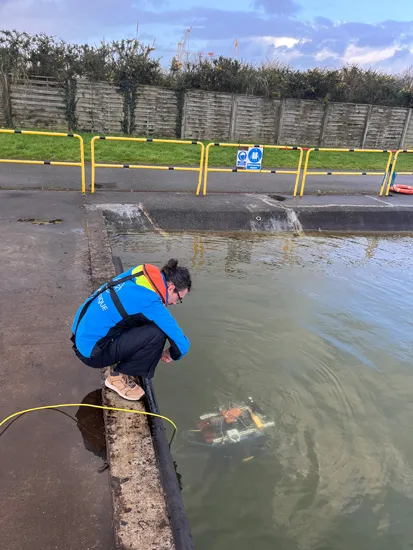
Figure 1 Launch of the ENSTA's remotely operated robot

This intervention by researchers from Lab-STICC / ENSTA is a first step towards a larger-scale collaboration. A new research project entitled RAMP (Rapid Assessment of Marine Pollution) is being prepared with CEDRE and CEPPOL.

“This project is being developed at the Lab-STICC's AI & Ocean cluster and therefore brings together researchers from different disciplines. It aims to develop a set of technological building blocks to reduce the risks of Ceppol's operations during the various stages of intervention.”

Lionel Lapierre Associate professor in robotics at ENSTA

With maritime transport accounting for 90% of global trade volume and continuing to grow, the implementation of safer and more effective robotic monitoring and response systems for accidental marine pollution is a strategic challenge.

(1) Centre d'Expertises Pratiques de lutte antiPOLlution (Center for Practical Expertise in Pollution Control): French Navy unit responsible for combating accidental marine pollution

(2) Cedre: consulting, expertise, and training in accidental water pollution

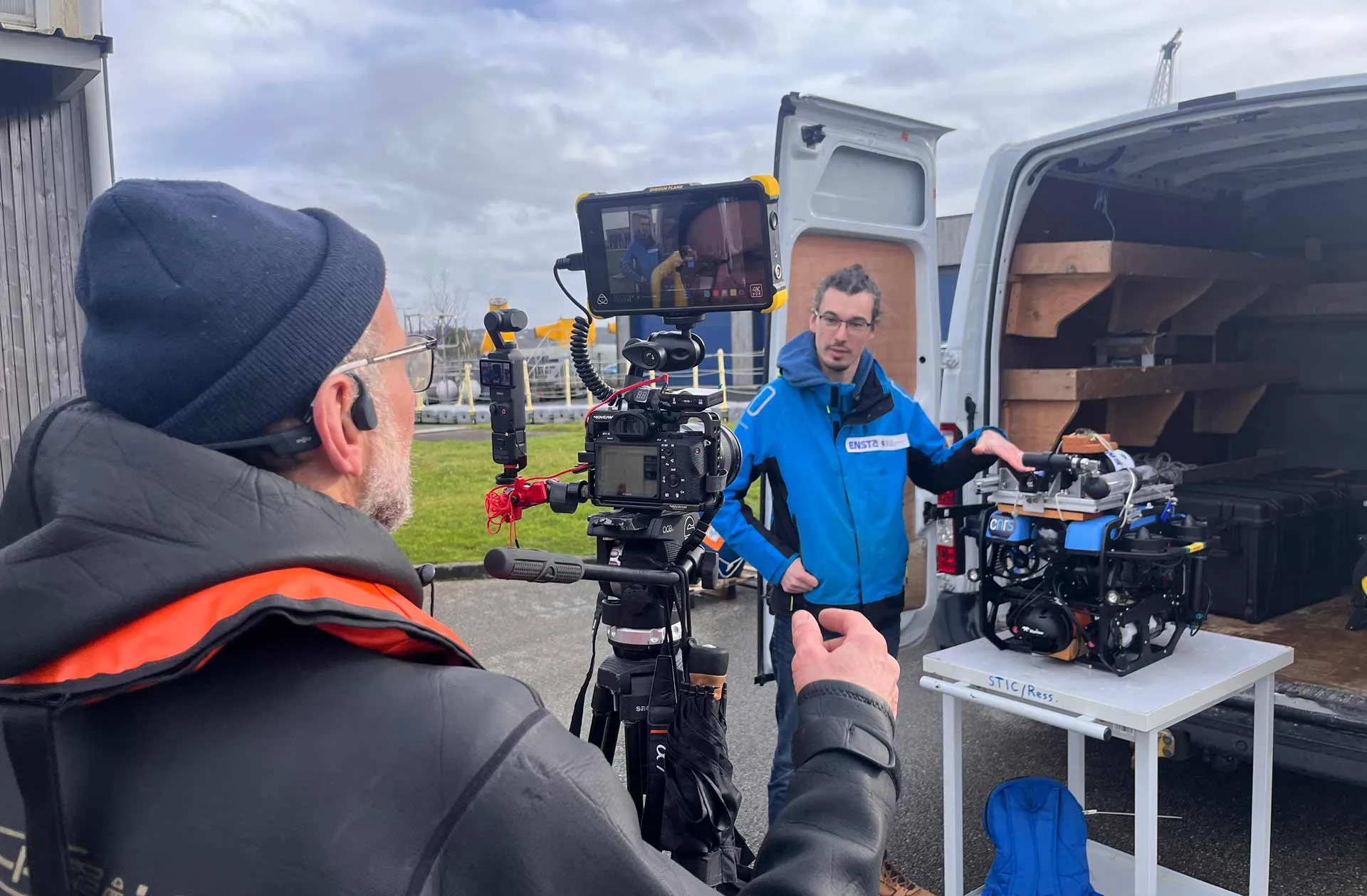
Christophe Viel, CNRS researcher at Lab-STICC/ENSTA, presents the robot and the challenges of the mission to a journalist

Our latest news

Alumni | Innovation
DeepFoil: Two ENSTA Graduates Are Reinventing Underwater Exploration

Graduates in architecture and naval hydrodynamics, Emillia Perdigon and Paul François have designed the DeepFoil, a flying underwater wing that allows for effortless movement underwater. Fueled by public enthusiasm and investor support, their project is...

DeepFoil: Two ENSTA Graduates Are Reinventing Underwater Exploration

Graduates in architecture and naval hydrodynamics, Emillia Perdigon and Paul François have designed the DeepFoil, a flying underwater wing that allows for effortless movement underwater. Fueled by public enthusiasm and investor support, their project is...

Innovation | Research
Gabriel Betton: Exploring the karst networks

Beneath our feet, in the darkness of the underground, a natural network spanning more than a third of France’s territory supplies drinking water to nearly 30 million people. But the quality of this vast freshwater reservoir is threatened by climate change...

Gabriel Betton: Exploring the karst networks

Beneath our feet, in the darkness of the underground, a natural network spanning more than a third of France’s territory supplies drinking water to nearly 30 million people. But the quality of this vast freshwater reservoir is threatened by climate change...

Training | Innovation | Student Life
An ENSTA team wins the Energy4Climate 2026 Challenge

How can we best promote renewable energy production in France? That was the question posed by the 6th edition of the Energy4Climate – Agorize Challenge, to which a team of ENSTA students provided an answer that was both innovative and well-reasoned.

An ENSTA team wins the Energy4Climate 2026 Challenge

How can we best promote renewable energy production in France? That was the question posed by the 6th edition of the Energy4Climate – Agorize Challenge, to which a team of ENSTA students provided an answer that was both innovative and well-reasoned.