
A promising first step into the world of research

International, Research, Student Life Digital Science & Engineering

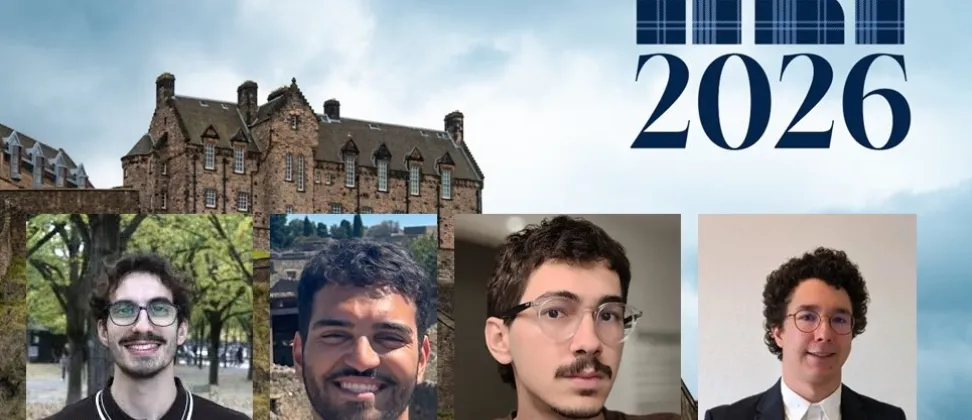
From March 16 to 19, Edinburgh hosts HRI 2026, one of the leading international conferences on human-robot interaction. Among the scientific papers selected for presentation is one by a group of ENSTA students who initially had no other ambition than to complete their final year project. With the help of their professor, Adriana Tapus, and a doctoral student, Caio Conti, the four students managed to transform this simple project into a first-rate scientific article.

Davy, Gabriel, Guilherme, and Nuno, third-year students in ENSTA's general engineering program, took the Machine Learning for Robotics course taught by their professor Adriana Tapus: 

To validate what they have learned in this course, rather than giving them a written exam, I ask my students to carry out a practical project, to get their hands dirty so that they realize the real complexity of interactions between humans and machines.

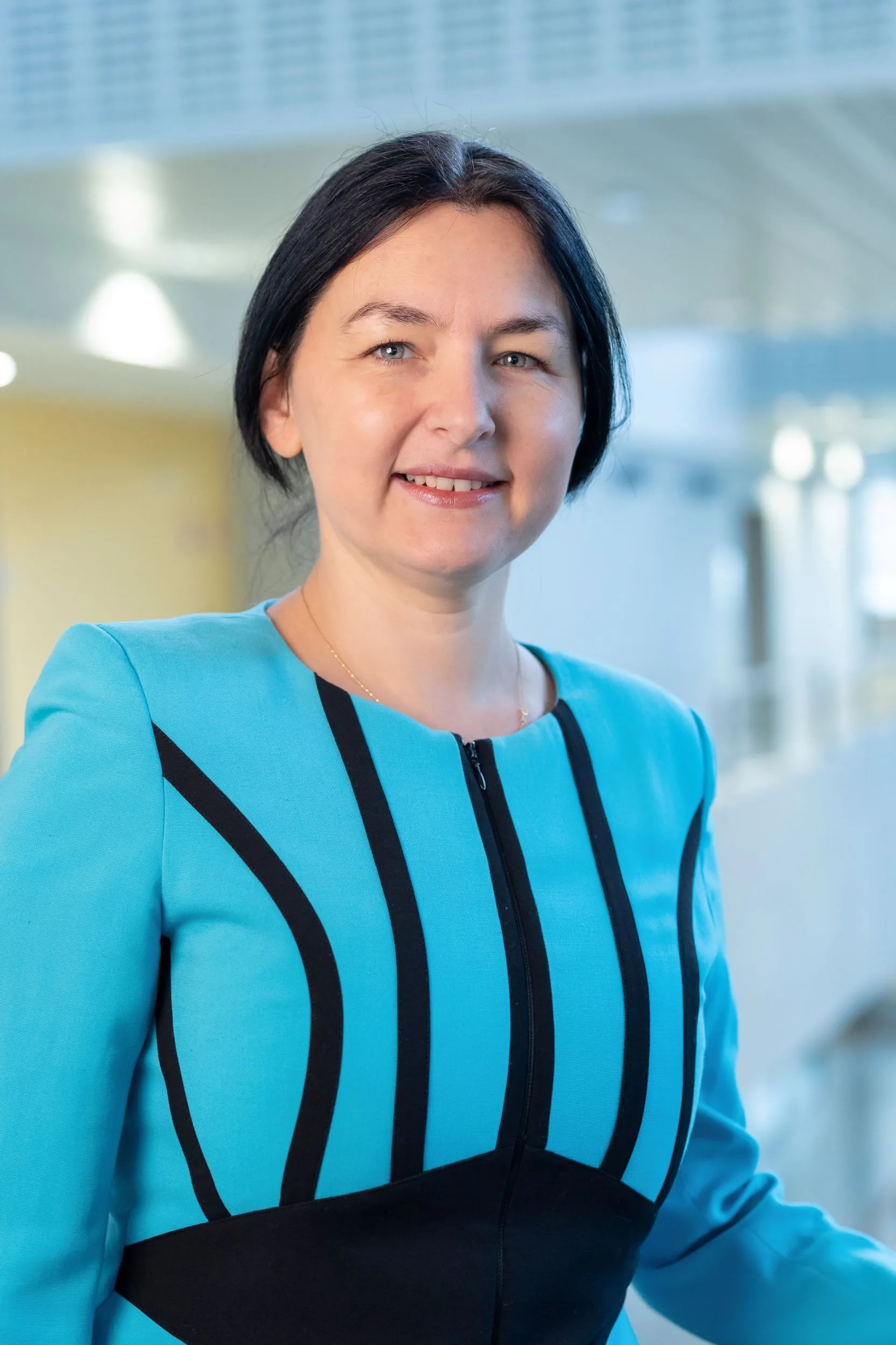
Adriana Tapus Robotics Professor

Davy, Gabriel, Guilherme, and Nuno decided to team up and proposed a particularly interesting project: to develop a robot capable not only of sorting household waste according to different recycling streams, but also of detecting uncertainty in human reactions when people question the robot's choices.

"During their first presentation, the system did not work with the reliability required for this type of application," continues Adriana Tapus. "But I saw the project's great potential and suggested that we write a scientific article together for HRI 2026, as it was a typical example of human-robot interaction. The only problem was that we only had three weeks left before the paper submission deadline!"

Once the students got over their surprise at the proposal, enthusiasm took over. Adriana Tapus introduced them to one of her doctoral students, Caio Conti, to help them structure the project so that it would be accepted at the conference.

« Davy, Gabriel, Guilherme, and Nuno were exemplary, meeting all the requirements and staying motivated despite the technical challenges, » says the Professor.
 

Adriana Tapus, ENSTA Professor
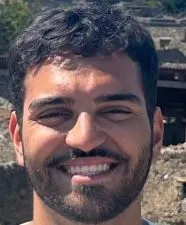
Davy Araujo Sa Teles
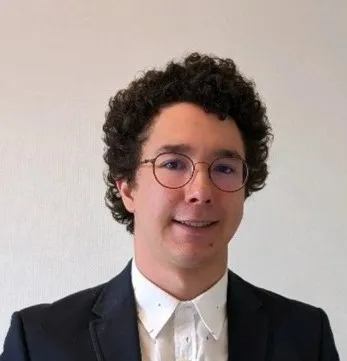
Gabriel Corsi Honorio
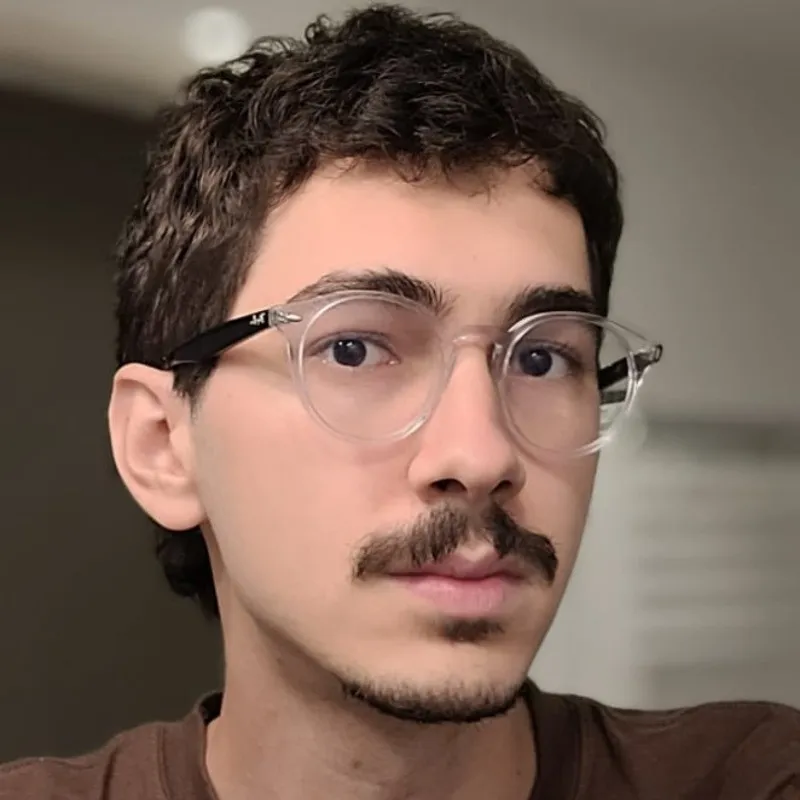
Nuno Kuschnaroff Barbosa
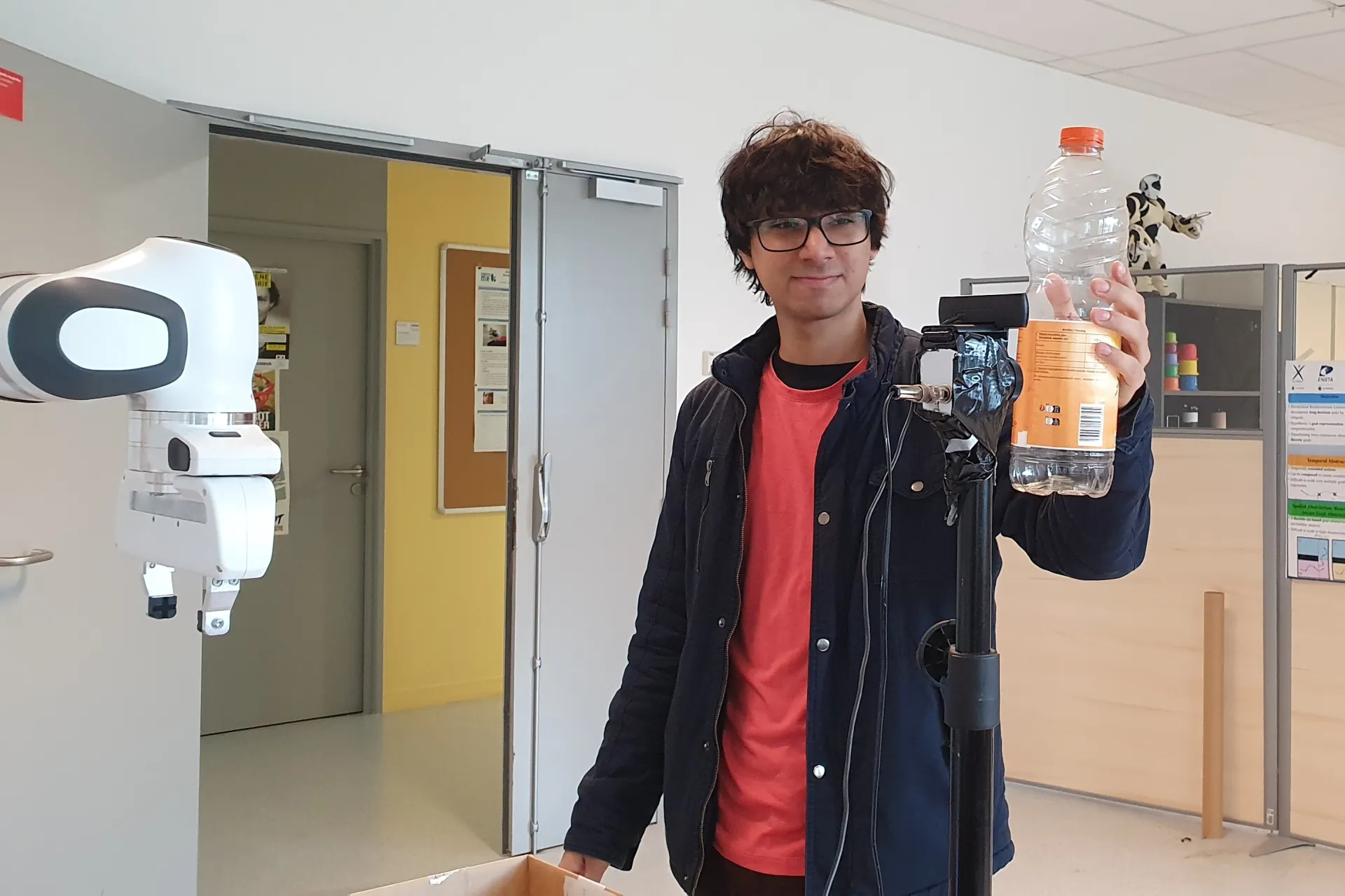
Guilherme Gelmi

For Davy Araujo Sa Teles, a graduate of the Federal University of Campina Grande, which offers one of the best electrical engineering programs in Brazil, coming to ENSTA was an opportunity to deepen his knowledge of AI and autonomous driving.

Gabriel Corsi Honorio, from the Federal University of Sao Carlos, has been passionate about robotics since high school, and it was ENSTA's reputation in this field that led him to join its ranks.

Nuno Kuschnaroff Barbosa, from the State University of Campinas, where he studied control and automation engineering, had a very similar background and came to ENSTA to further his studies in AI and cyber-physics.

Finally, Guilherme Gelmi, also from the State University of Campinas but studying computer engineering, participated in the Brazilian Robotics Olympics when he was in high school and came to ENSTA for its courses in robotics and autonomous systems.

Although they were far from imagining when they started this project that it would lead them to co-author their first research article, they all got caught up in the excitement, telling themselves that it was a great opportunity worth trying. However, not all of these third-year students are yet sure whether they will go on to do a PhD. 

Caio Conti, himself a doctoral student who coordinated the team's work, understands this need for reflection. "It all depends on each person's goals: if you already know you want to go into industry afterwards, there's no need to do a thesis. But at the same time, as these students have realized, doing science means facing new challenges, coming up with new ideas, and finding new ways to solve problems. Research is therefore also an excellent training ground for complex project management!"

Caio Conti

Our latest news

Research
Hybridization of metal 3D printing processes for more resistant parts

Bringing together three prestigious engineering schools under the supervision of the French Defense Procurement Agency (DGA), École Polytechnique, ENSTA, and ISAE Supaero, the QUADS2 project aims to hybridize two metal additive manufacturing processes...

Hybridization of metal 3D printing processes for more resistant parts

Bringing together three prestigious engineering schools under the supervision of the French Defense Procurement Agency (DGA), École Polytechnique, ENSTA, and ISAE Supaero, the QUADS2 project aims to hybridize two metal additive manufacturing processes...

Institute | Training
2026 Flag Ceremony: a tradition of commitment and excellence

On Wednesday, March 4, 2026, the traditional Flag Ceremony took place on the ENSTA campus in Brest, a solemn and symbolic event for engineering students studying weapons systems and technology (IETA). These students chose a dual commitment, engineering...

2026 Flag Ceremony: a tradition of commitment and excellence

On Wednesday, March 4, 2026, the traditional Flag Ceremony took place on the ENSTA campus in Brest, a solemn and symbolic event for engineering students studying weapons systems and technology (IETA). These students chose a dual commitment, engineering...

Institute | Training | Student Life
Ralph Florian Ngonga has his say

Every weeknight, he makes headlines on France 2 as the current champion of the game show “Tout le Monde a son mot à dire” (Everyone Has Their Say), hosted by Bruno Guillon and Sidonie Bonnec. The rest of the time, he is a diligent student in the...

Ralph Florian Ngonga has his say

Every weeknight, he makes headlines on France 2 as the current champion of the game show “Tout le Monde a son mot à dire” (Everyone Has Their Say), hosted by Bruno Guillon and Sidonie Bonnec. The rest of the time, he is a diligent student in the...