ENSTA in force at the international conference on robotics and automation in Atlanta

Research Digital Science & Engineering

From May 19 to 25, Atlanta will host the International Conference on Robotics and Automation (ICRA). Three articles, based on research conducted at ENSTA's two campuses, have been selected for presentation at this world-renowned event, recognizing the excellence of the work carried out in the School's laboratories.

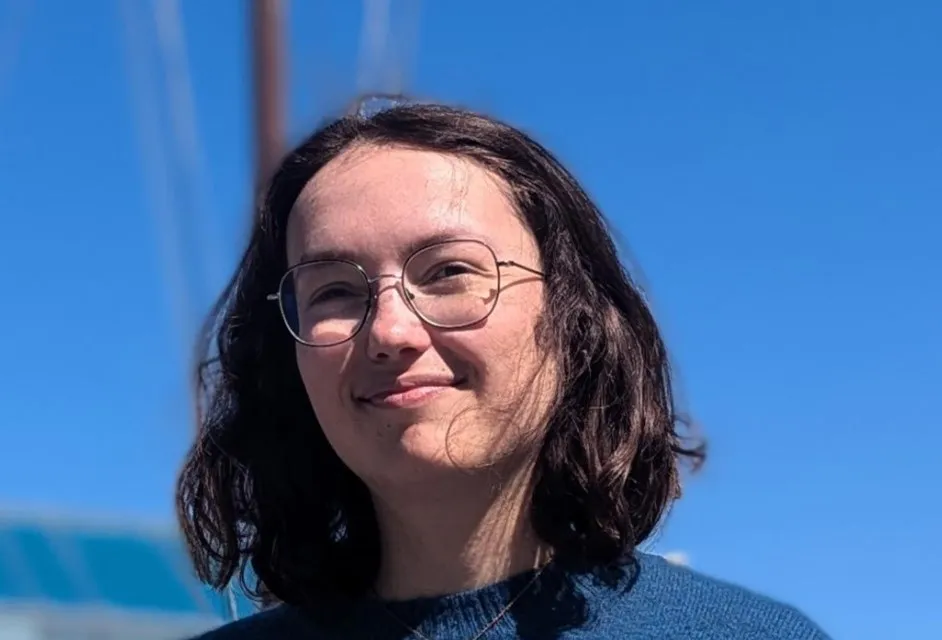
The first article is based on the thesis work of Katell Lagatu, conducted jointly by Flinders University in Adelaide, Australia, Naval Group (Eva Artusi), and the Brest campus of ENSTA (Benoit Clément). Their aim is to develop an underwater drone controller using deep reinforcement learning, a field of machine learning.

The case study involves a drone that experiences failures and is able to overcome them without the need for diagnosis, simply by redistributing the thrust of the propellers. The controller has been tested several times in real conditions on an underwater drone in Australia, establishing a world first in terms of experimental validation.

Katell_Lagattu.jpg

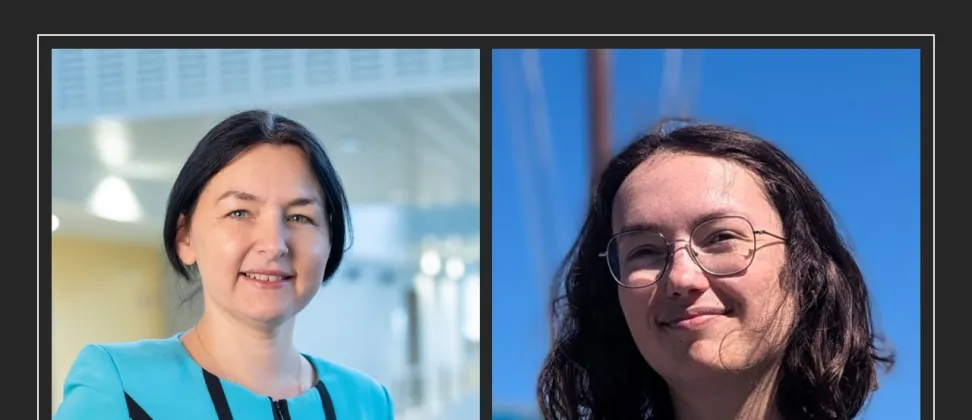
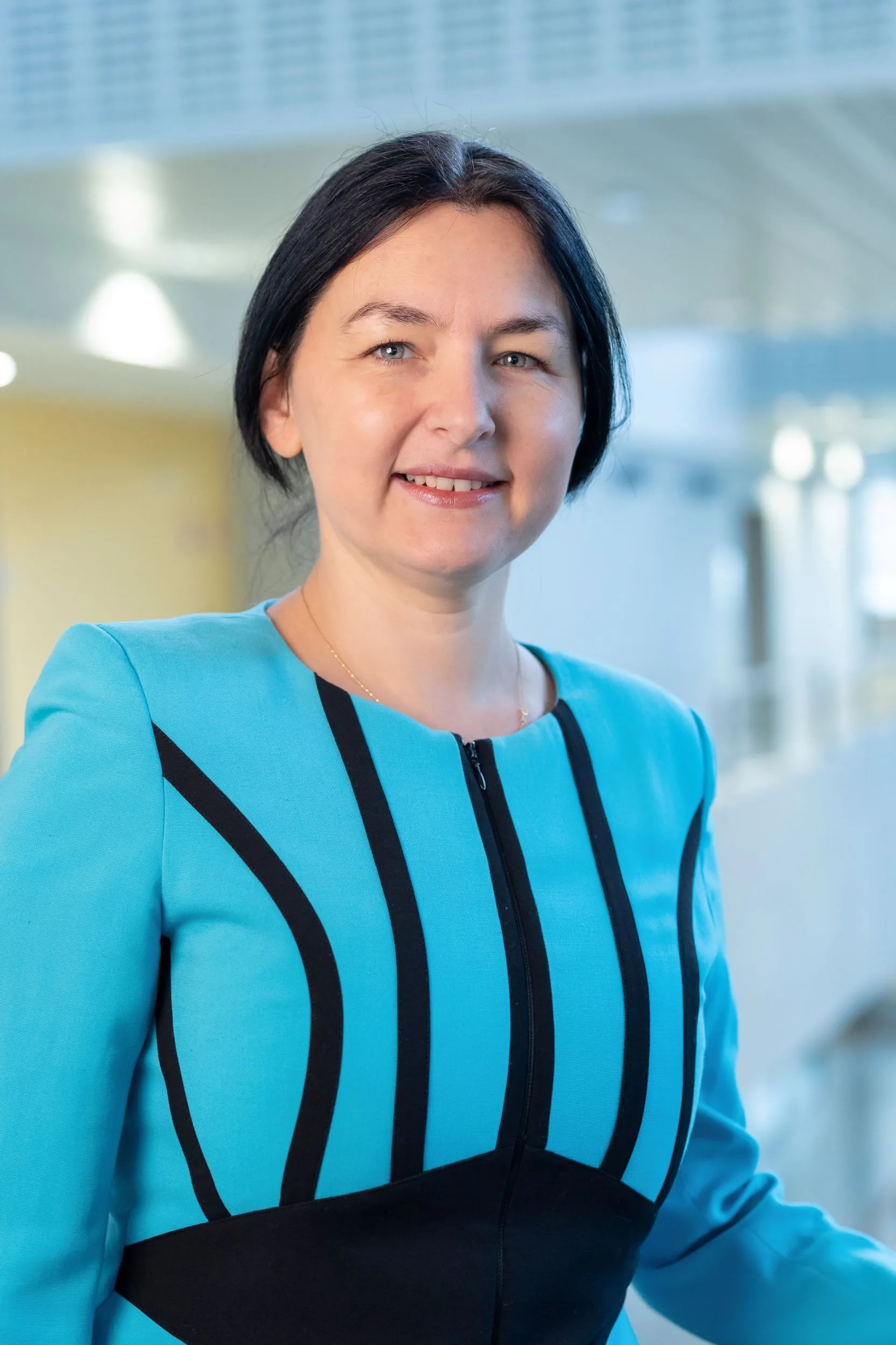
he other two articles were supervised by Adriana Tapus, lecturer and researcher at the Computer Science and Systems Engineering Unit and director of the doctoral school at the Institut Polytechnique de Paris.

The first focuses on estimating the level of engagement and attention in human-robot interactions using a dynamic Bayesian network that allows the evolution of random variables over time to be represented.

The notion of engagement is a key concept in human-robot interaction in that it both increases the quality of the user experience and improves task performance.

The dynamic Bayesian network proposed in this article integrates numerous variables such as head rotation, eye movements, facial expressions, and even temperature variations on the surface of the face to determine this level of engagement. This network achieved a success rate of 83% in its rankings, a remarkable result in estimating a criterion as subtle as the level of engagement of an interlocutor in an interaction.

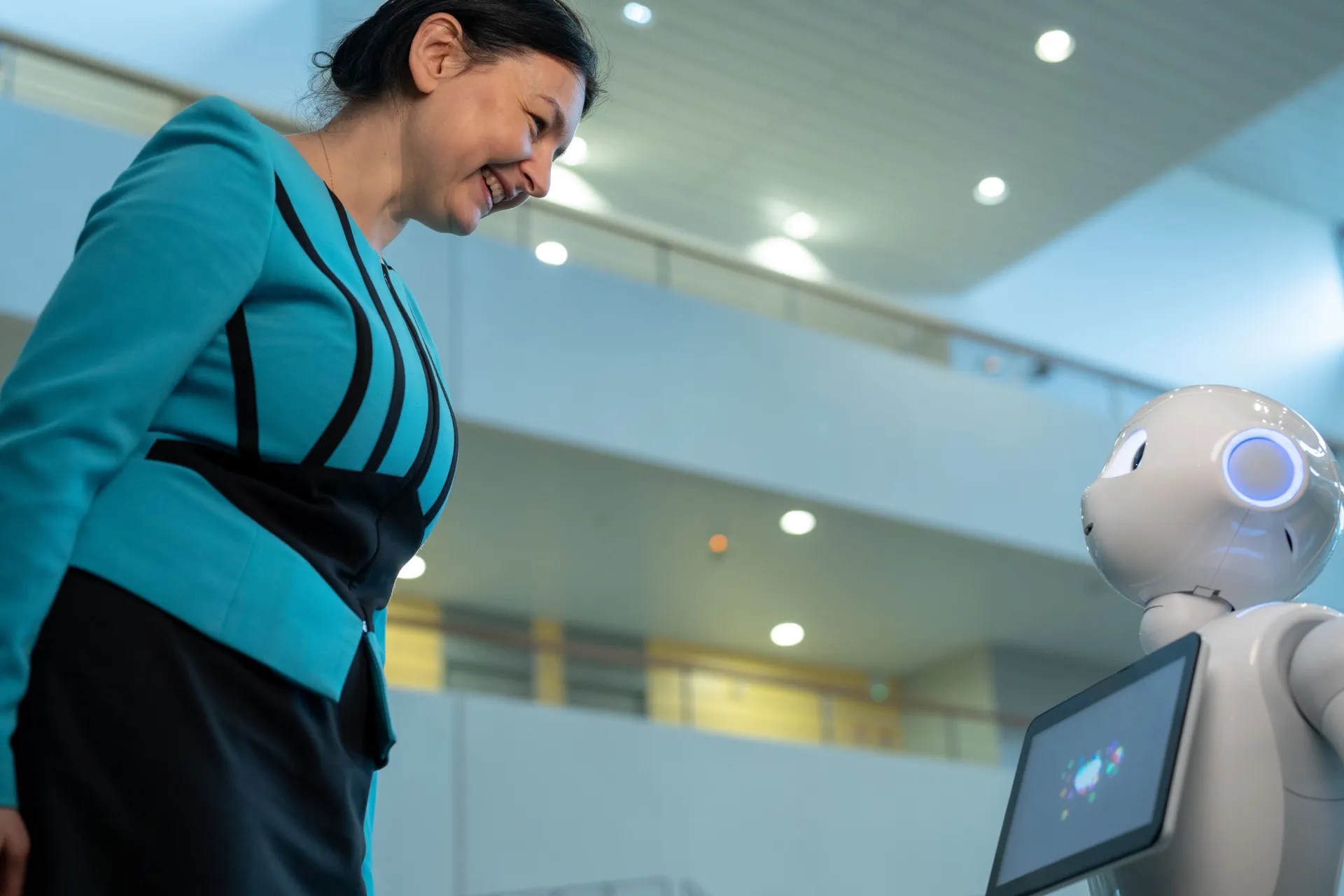
The second article, supervised by Adriana Tapus, is equally impressive, as it highlights the ability of a conversational robot to perceive and practice humor, a capacity for distancing oneself from situations that is generally considered unique to humans.

This conversational robot achieves this by taking into account the context of the interaction, the user's profile, and their emotional state.

Compared to the GPT-4o model and tested with 24 participants, the model developed by Adriana Tapus' team significantly outperforms its rival in terms of relevance, conversation enrichment, and overall interaction quality.

Adriana_Tapus_Portrait.jpg
Adriana_Tapus_et_Nao.jpg

Our latest news

Alumni | Training | Research
A thesis on characterizing the strength of a submerged textile structure

Noise pollution generated during the installation of offshore wind turbines is attracting increasing attention. An engineer trained at ENSTA in the specialty of “mechanical modeling of materials and structures,” Jeanne Cavoit wrote her thesis on the...

A thesis on characterizing the strength of a submerged textile structure

Noise pollution generated during the installation of offshore wind turbines is attracting increasing attention. An engineer trained at ENSTA in the specialty of “mechanical modeling of materials and structures,” Jeanne Cavoit wrote her thesis on the...

Alumni | Innovation
DeepFoil: Two ENSTA Graduates Are Reinventing Underwater Exploration

Graduates in architecture and naval hydrodynamics, Emillia Perdigon and Paul François have designed the DeepFoil, a flying underwater wing that allows for effortless movement underwater. Fueled by public enthusiasm and investor support, their project is...

DeepFoil: Two ENSTA Graduates Are Reinventing Underwater Exploration

Graduates in architecture and naval hydrodynamics, Emillia Perdigon and Paul François have designed the DeepFoil, a flying underwater wing that allows for effortless movement underwater. Fueled by public enthusiasm and investor support, their project is...

Innovation | Research
Gabriel Betton: Exploring the karst networks

Beneath our feet, in the darkness of the underground, a natural network spanning more than a third of France’s territory supplies drinking water to nearly 30 million people. But the quality of this vast freshwater reservoir is threatened by climate change...

Gabriel Betton: Exploring the karst networks

Beneath our feet, in the darkness of the underground, a natural network spanning more than a third of France’s territory supplies drinking water to nearly 30 million people. But the quality of this vast freshwater reservoir is threatened by climate change...