Experimental platforms

Sur les campus de Paris-Saclay et de Brest de nombreux moyens d'essais sont réunis.

MASMECA technology platform

- Brest campus -

MASMECA is a large-scale experimental technology platform that provides testing, measurement, and observation facilities covering a wide range of scales, from microstructure to ministructure.

Covering an area of 1,500 m², it includes three characterization platforms (dynamic, thermo-mechanical, and physico-chemical) as well as a prototyping workshop.

Discover Masmeca website (in French)

Hydrogen pilot platform

- Paris-Saclay campus -

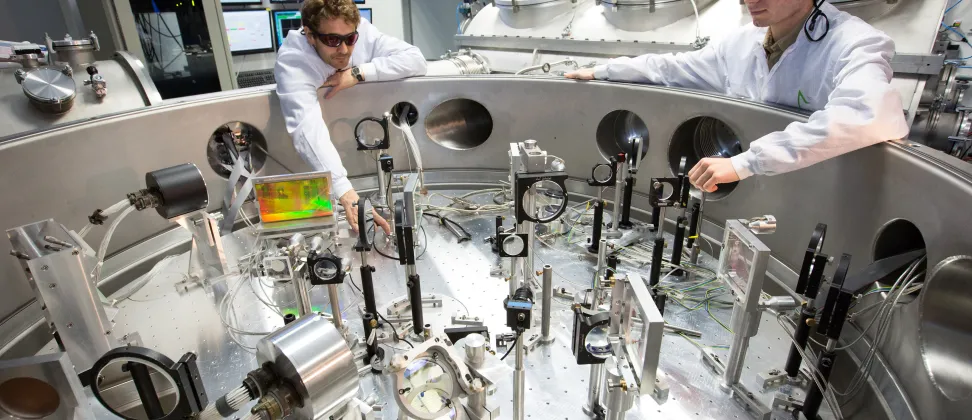
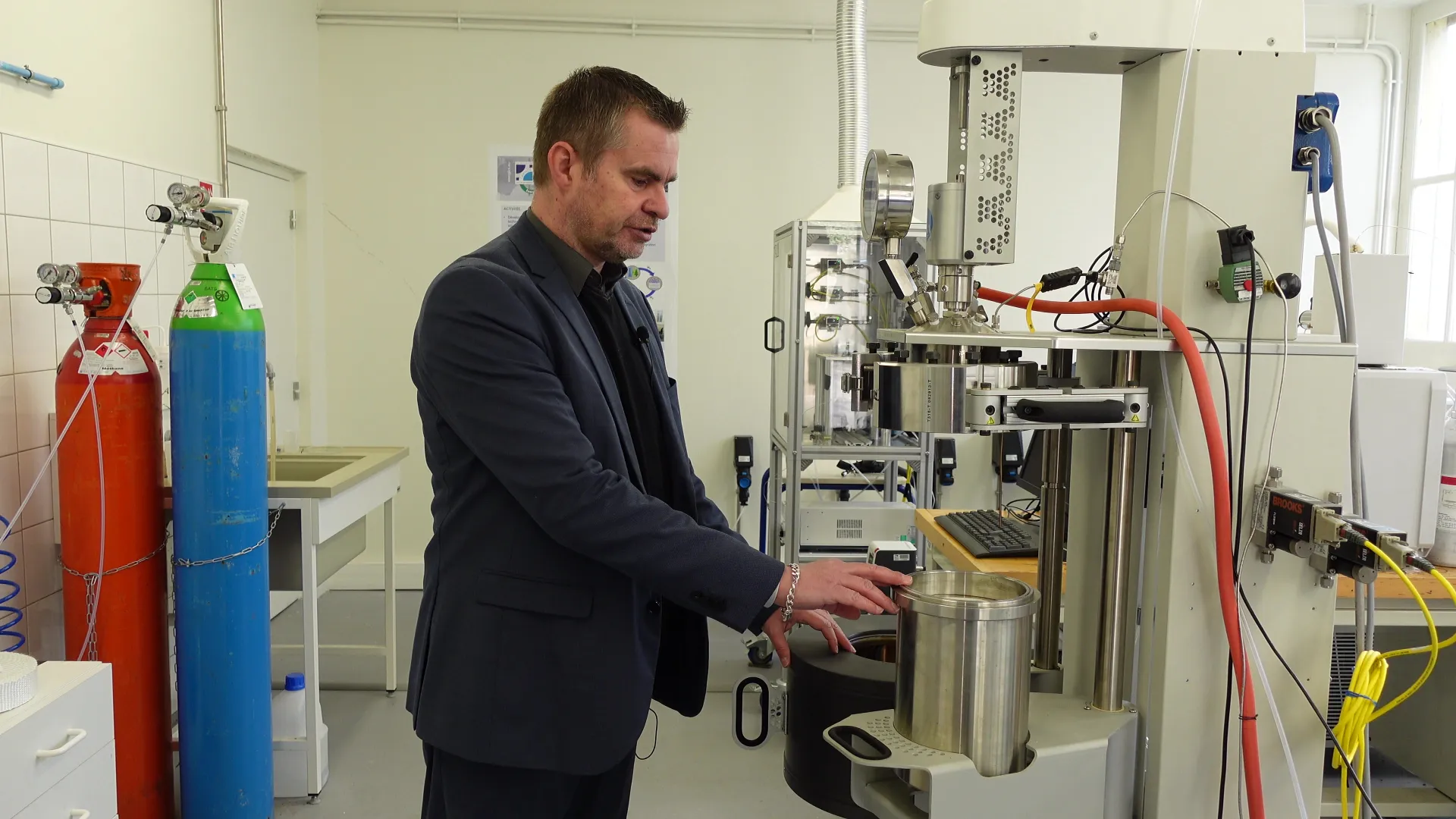
The hydrogen pilot platform enables experiments to be conducted on the crucial stages of the process: production, storage, and combustion. It is thus possible to test the production of “green” hydrogen from biomass, the combustion of various gas mixtures associated with hydrogen that can be injected into natural gas networks, and to research alternatives to very low-temperature storage (hydrates, porous materials).

Air-sea experimentation basin

- Campus de Brest -

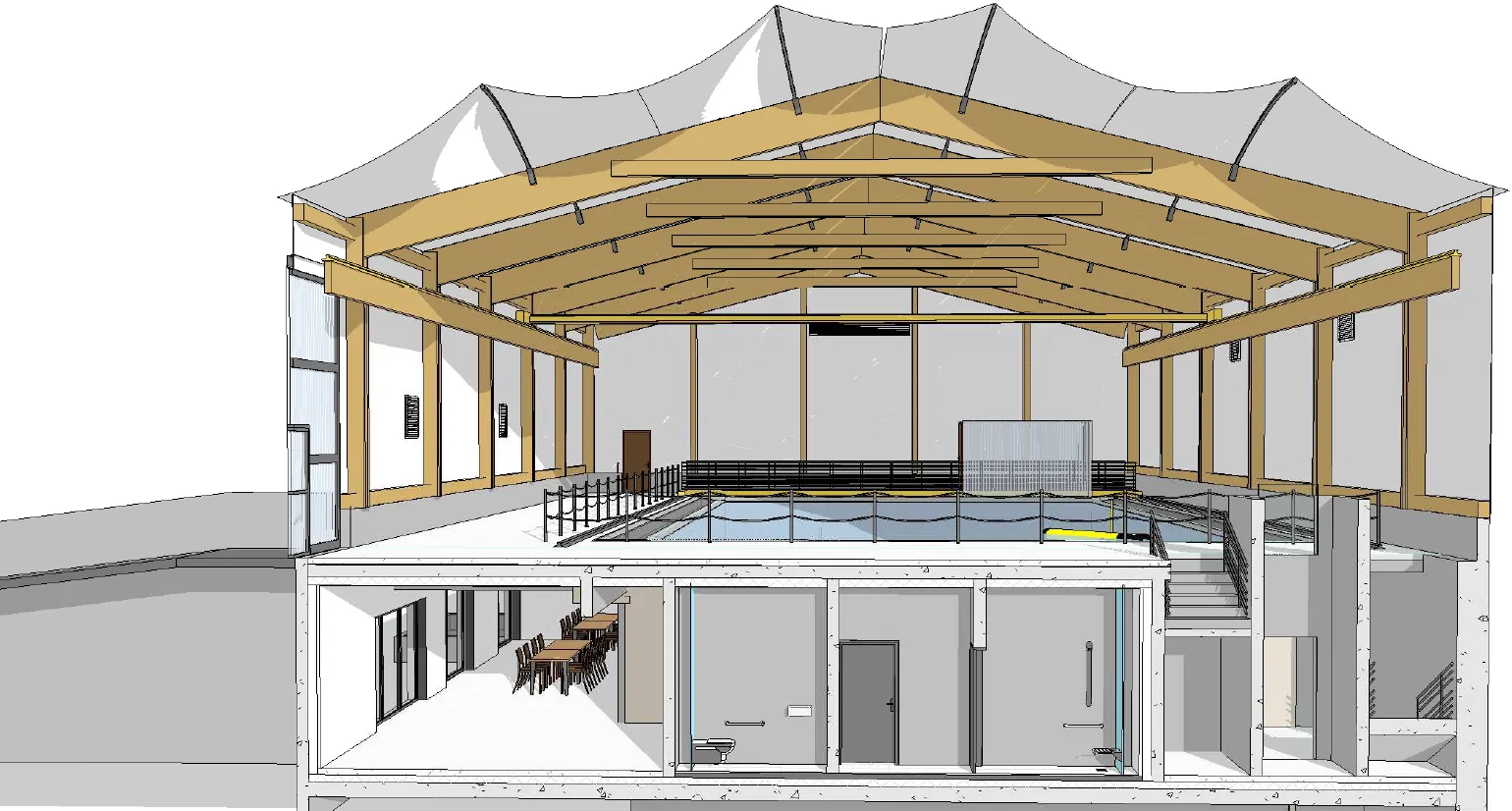
This new test facility, which will be commissioned in early 2026, consists of a large, deep basin (240 m² and 6 m deep) covered by an aviary. The building's structure has been designed using materials that allow GPS signals to pass through, enabling large-scale experiments to be carried out. This facility will be used to validate autonomous marine and underwater exploration systems prior to sea trials.

Land robotics platform

- Paris-Saclay campus -

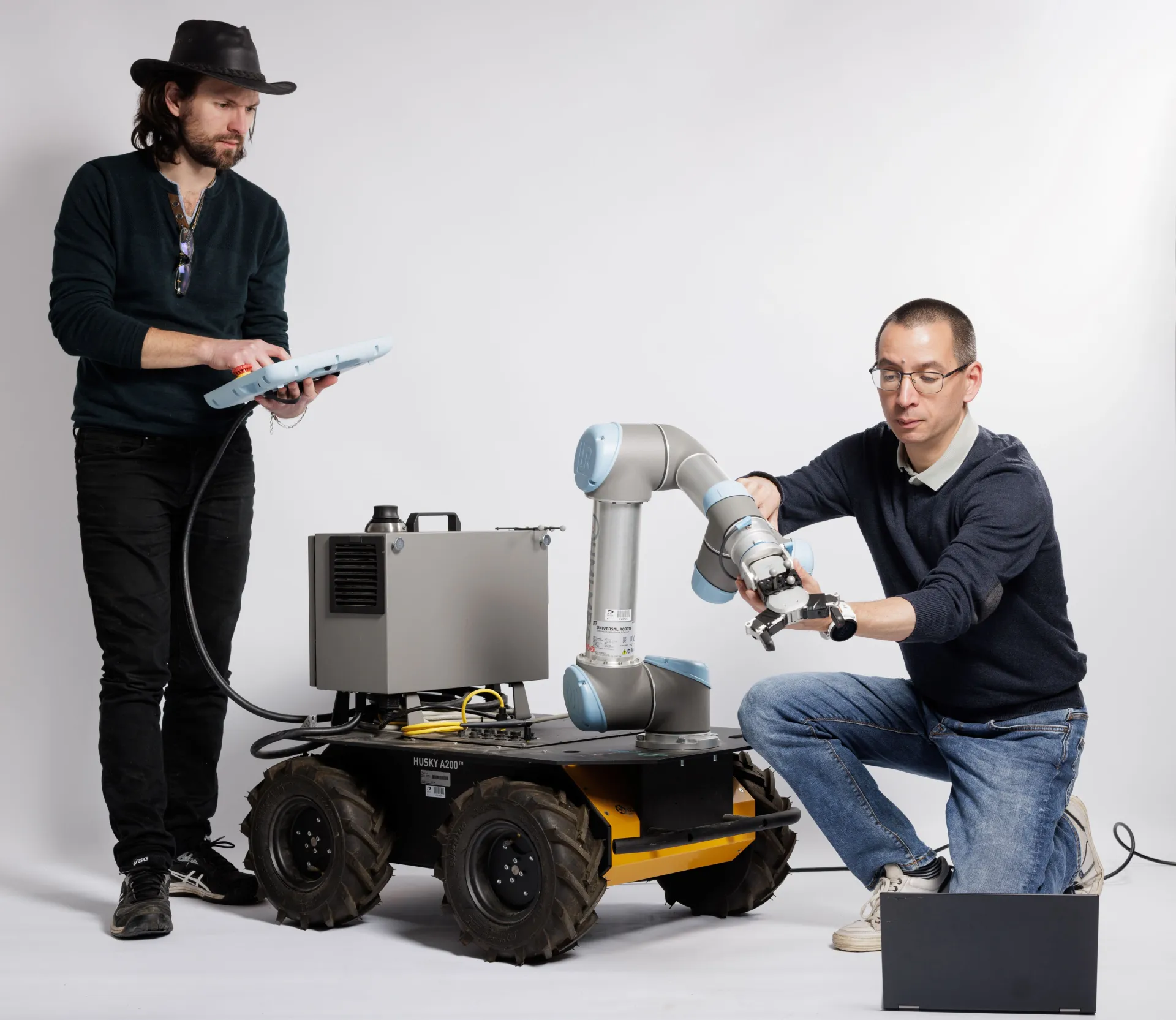
In order to test algorithms and equipment in the field, researchers at U2IS are currently designing a robotic platform on the grounds of the Yvette battery, ENSTA research center on the Paris-Saclay campus, a robotic platform that will soon house one of the largest drone aviaries in Europe, as well as various courses representing a wide variety of environments in order to better meet the challenges of autonomous navigation in open environments.

Additive manufacturing platform

- Paris-Saclay Campus -

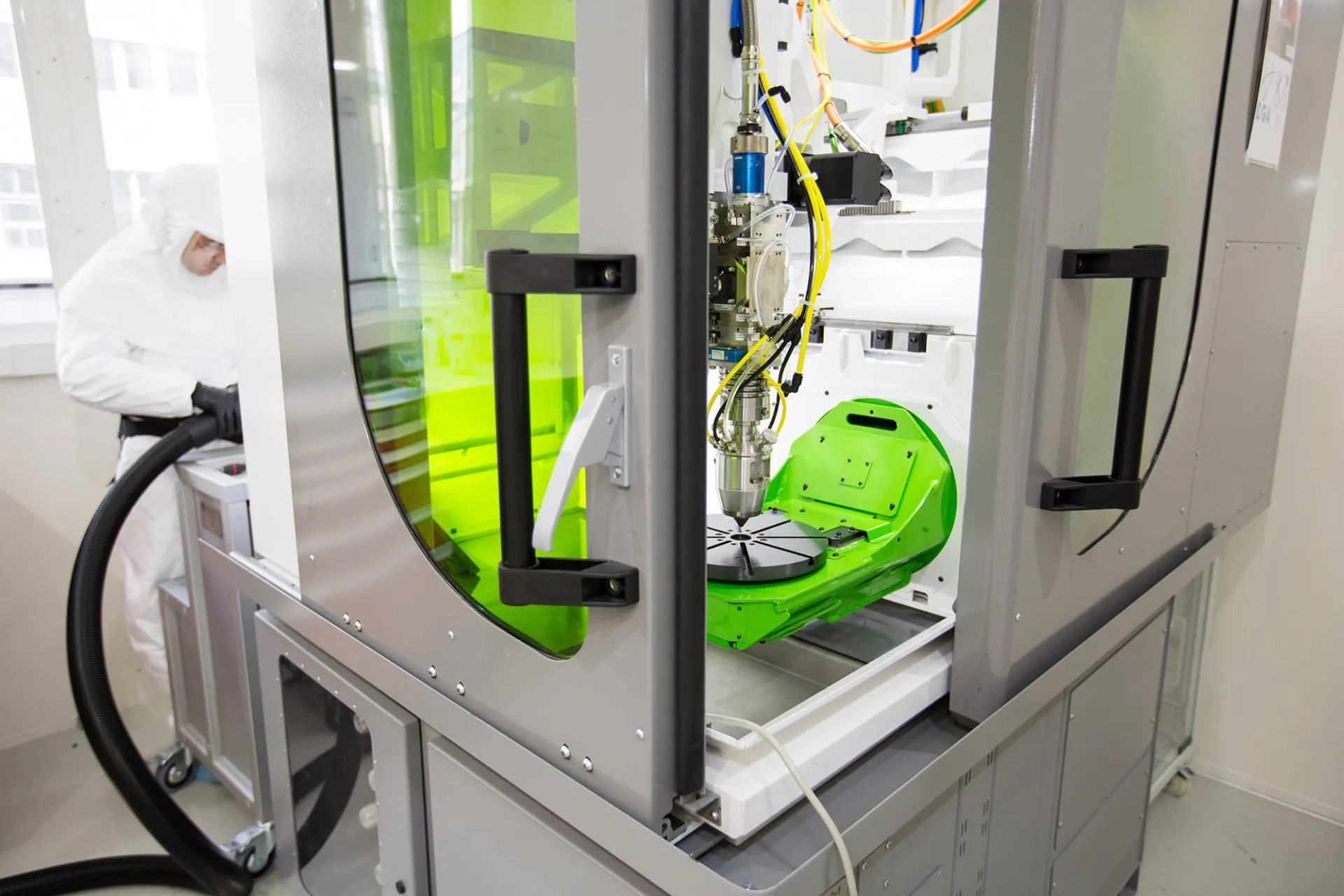
This workspace is designed around a metal 3D printer that operates on the principle of laser-melted metal powder projection. The result is a homogeneous and dense metal deposit with characteristics between those of castings and forgings.

This platform offers the possibility of designing, manufacturing, and optimizing new forms of materials, working with metals at the limits of weldability, repairing damaged parts, or adding innovative functions to existing parts, thereby achieving previously unattainable performance levels.

Our latest news

Training | Innovation | Research
Rozali Badaoui honored at IEEE ETECOM 2025

Rozali Badaoui's early thesis work has just been recognized with the Best Paper Award in the “Engineering Education” category at the IEEE ETECOM 2025 conference on emerging trends in engineering and computing, held in Bahrain last October.

Rozali Badaoui honored at IEEE ETECOM 2025

Rozali Badaoui's early thesis work has just been recognized with the Best Paper Award in the “Engineering Education” category at the IEEE ETECOM 2025 conference on emerging trends in engineering and computing, held in Bahrain last October.

Training | Innovation | Research
Success for the first edition of the Seas and Ocean Forum

On Tuesday, January 13, ENSTA's Paris-Saclay campus hosted the first edition of the Institut Polytechnique de Paris's Seas and Ocean Forum, which is part of the activities of the Interdisciplinary Seas and Ocean Center (CIMO). This unifying event brought...

Success for the first edition of the Seas and Ocean Forum

On Tuesday, January 13, ENSTA's Paris-Saclay campus hosted the first edition of the Institut Polytechnique de Paris's Seas and Ocean Forum, which is part of the activities of the Interdisciplinary Seas and Ocean Center (CIMO). This unifying event brought...

Innovation | Research
Adnan Saood: a touch of feeling in robotics

Robots can already see, hear, and even smell, but their sense of touch remains very rudimentary and is more akin to obstacle detection than any kind of dexterity. How can this be improved? This is the focus of the thesis work of Adnan Saood, a doctoral...

Adnan Saood: a touch of feeling in robotics

Robots can already see, hear, and even smell, but their sense of touch remains very rudimentary and is more akin to obstacle detection than any kind of dexterity. How can this be improved? This is the focus of the thesis work of Adnan Saood, a doctoral...