
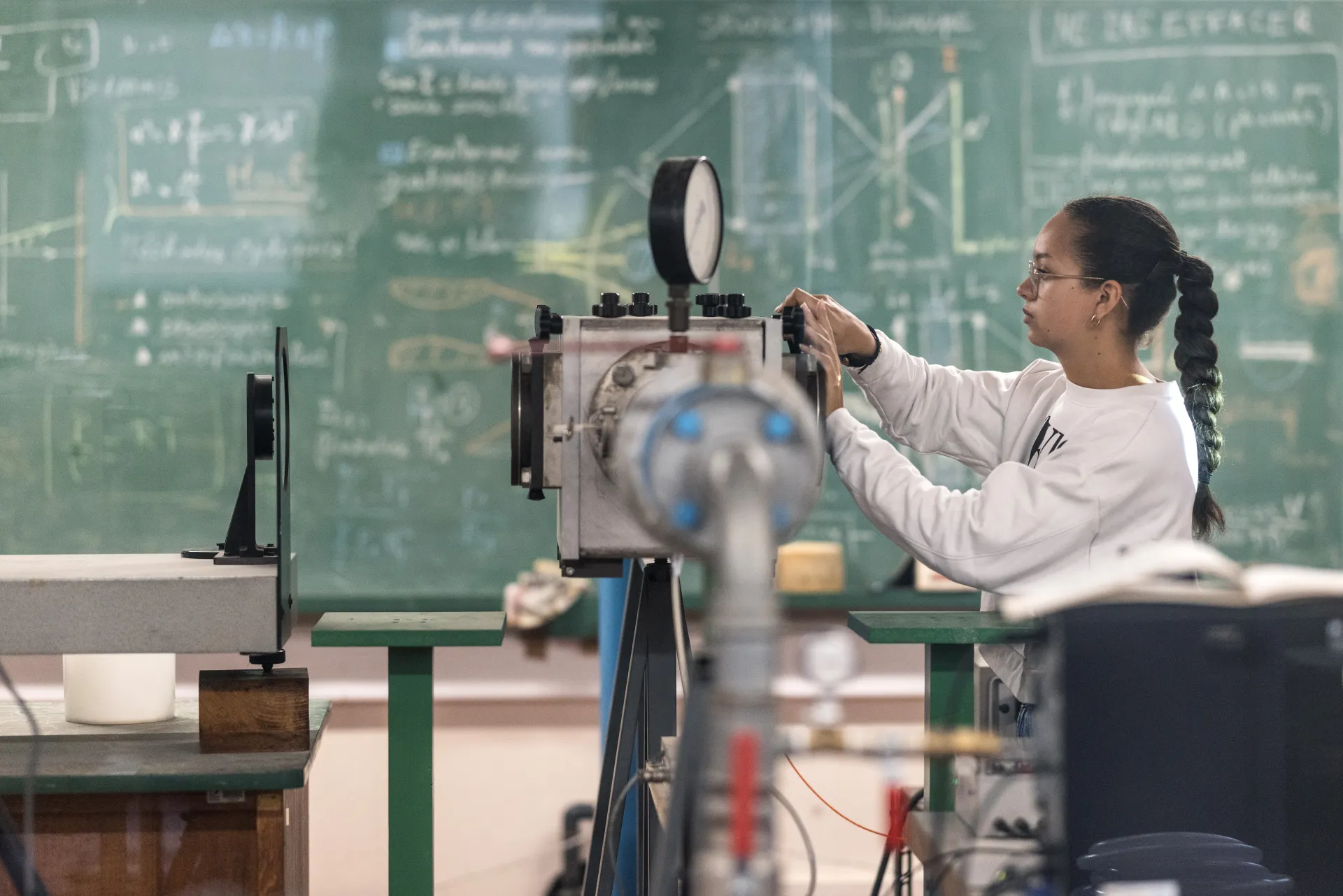
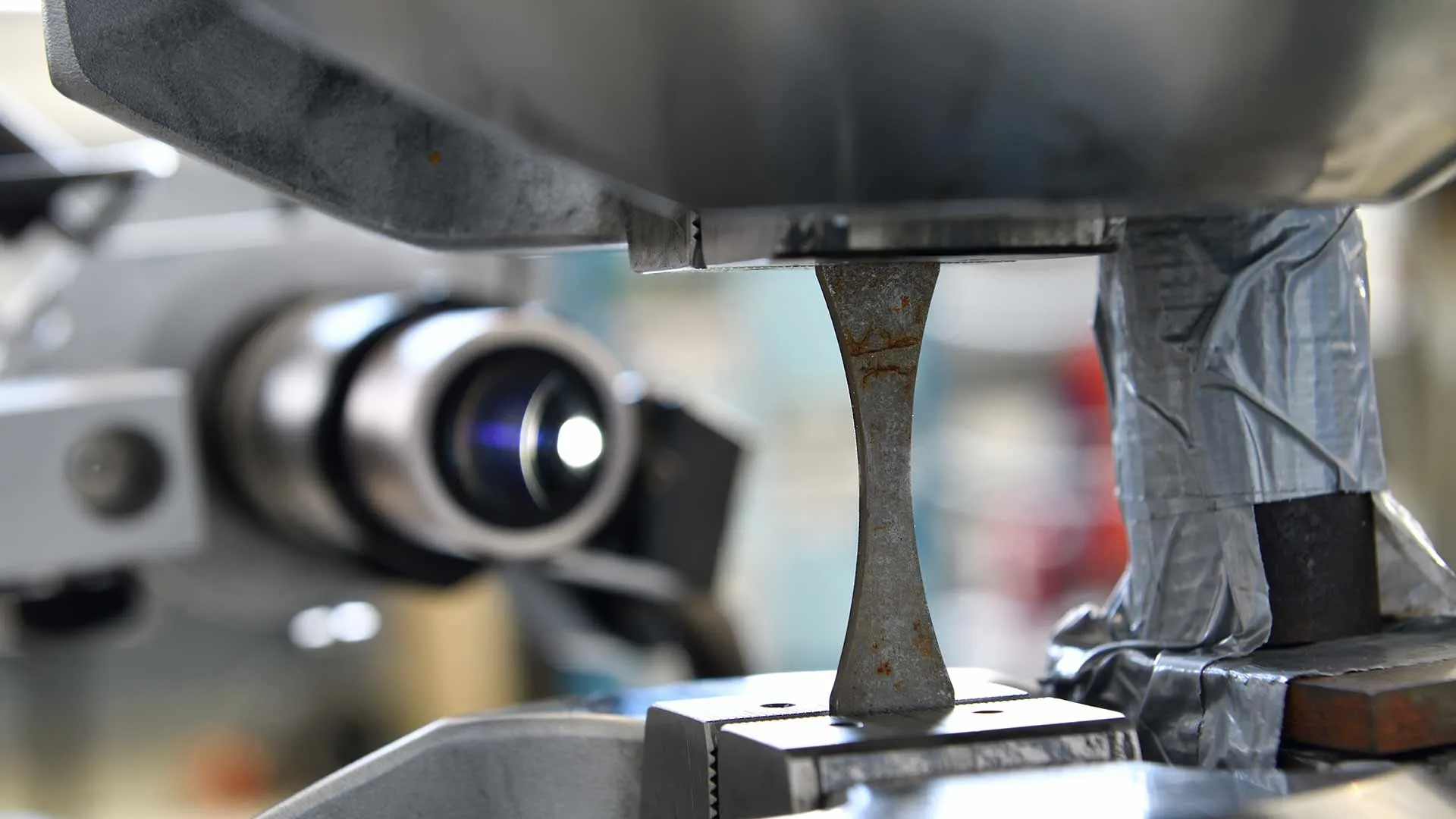
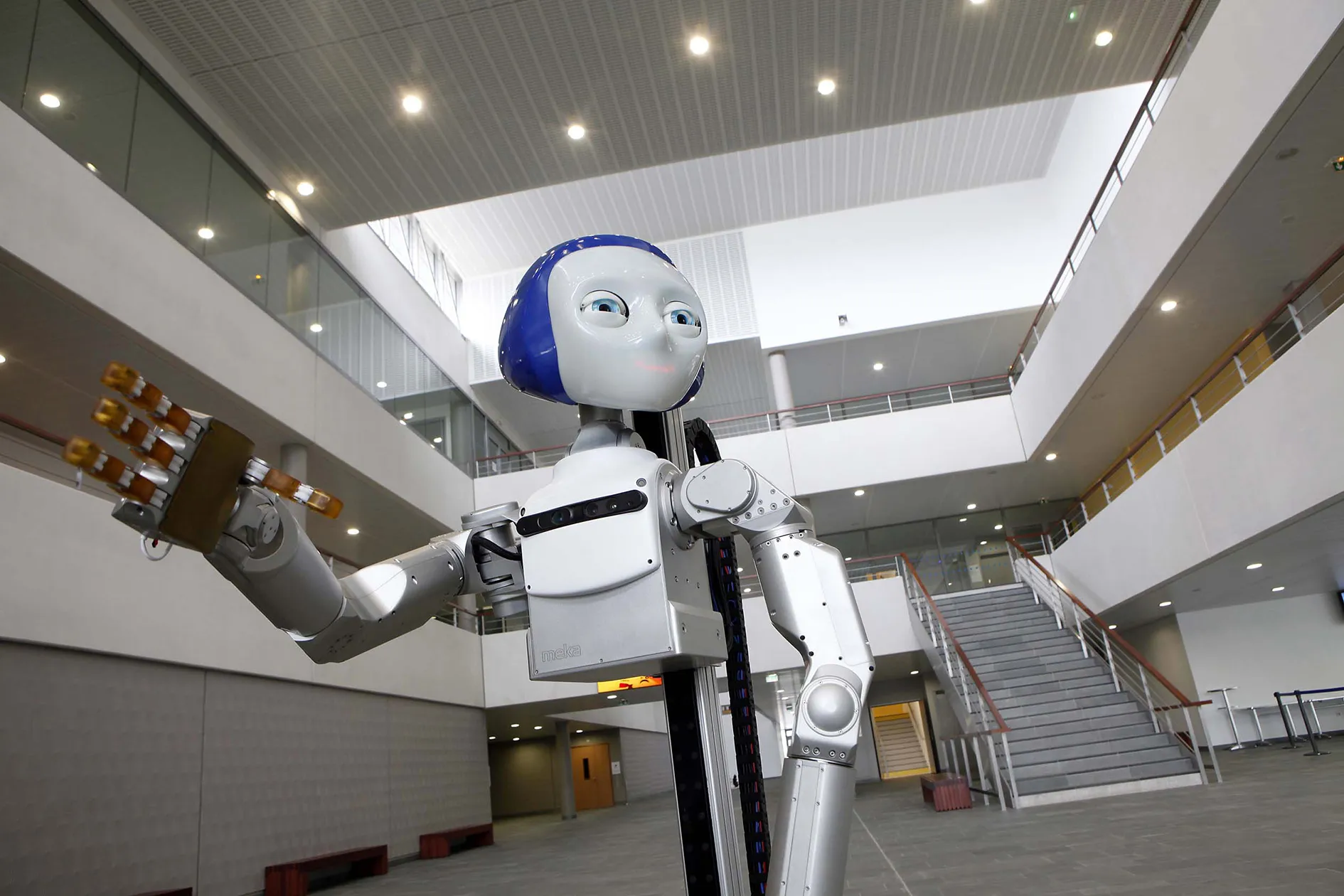
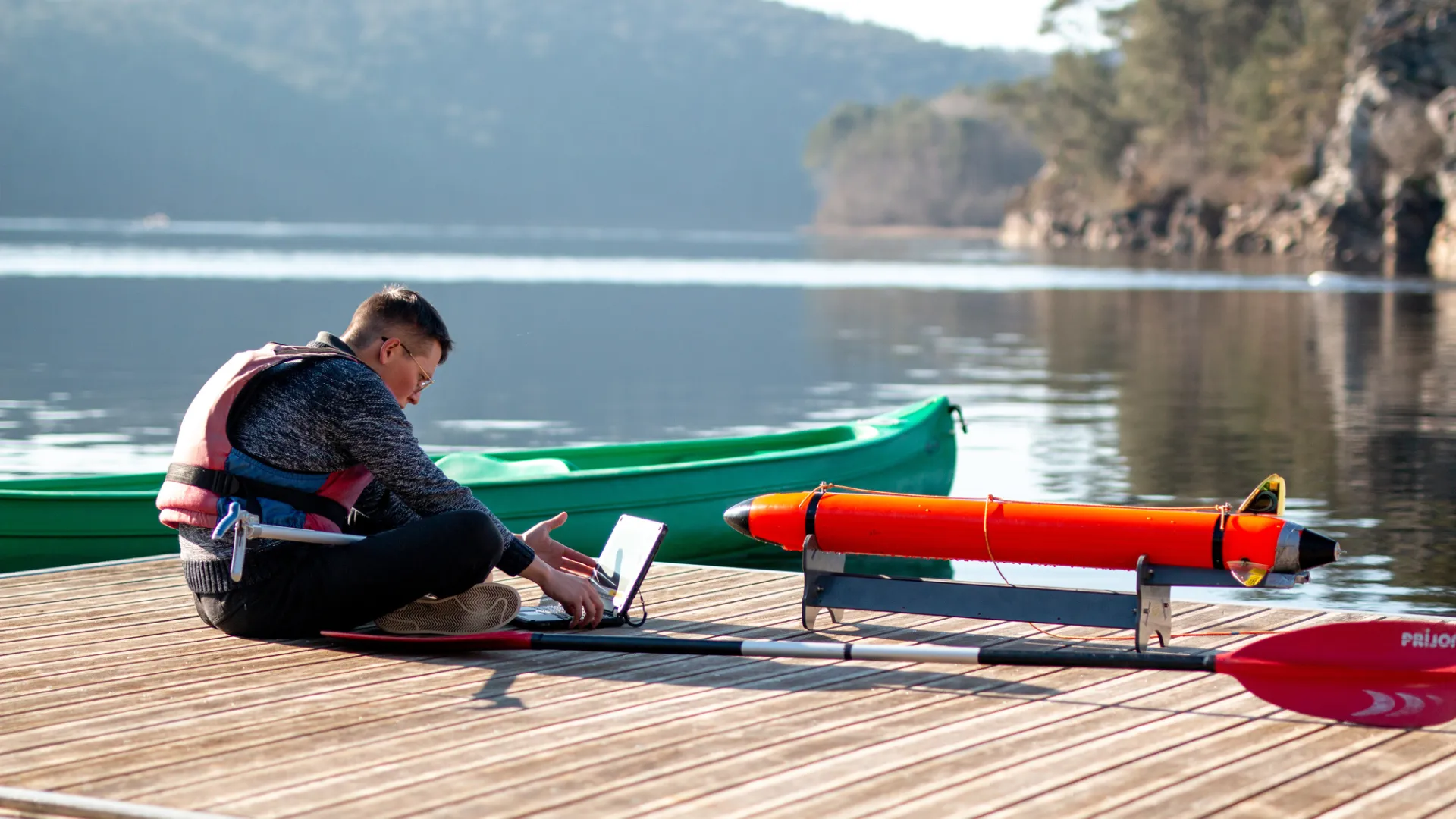
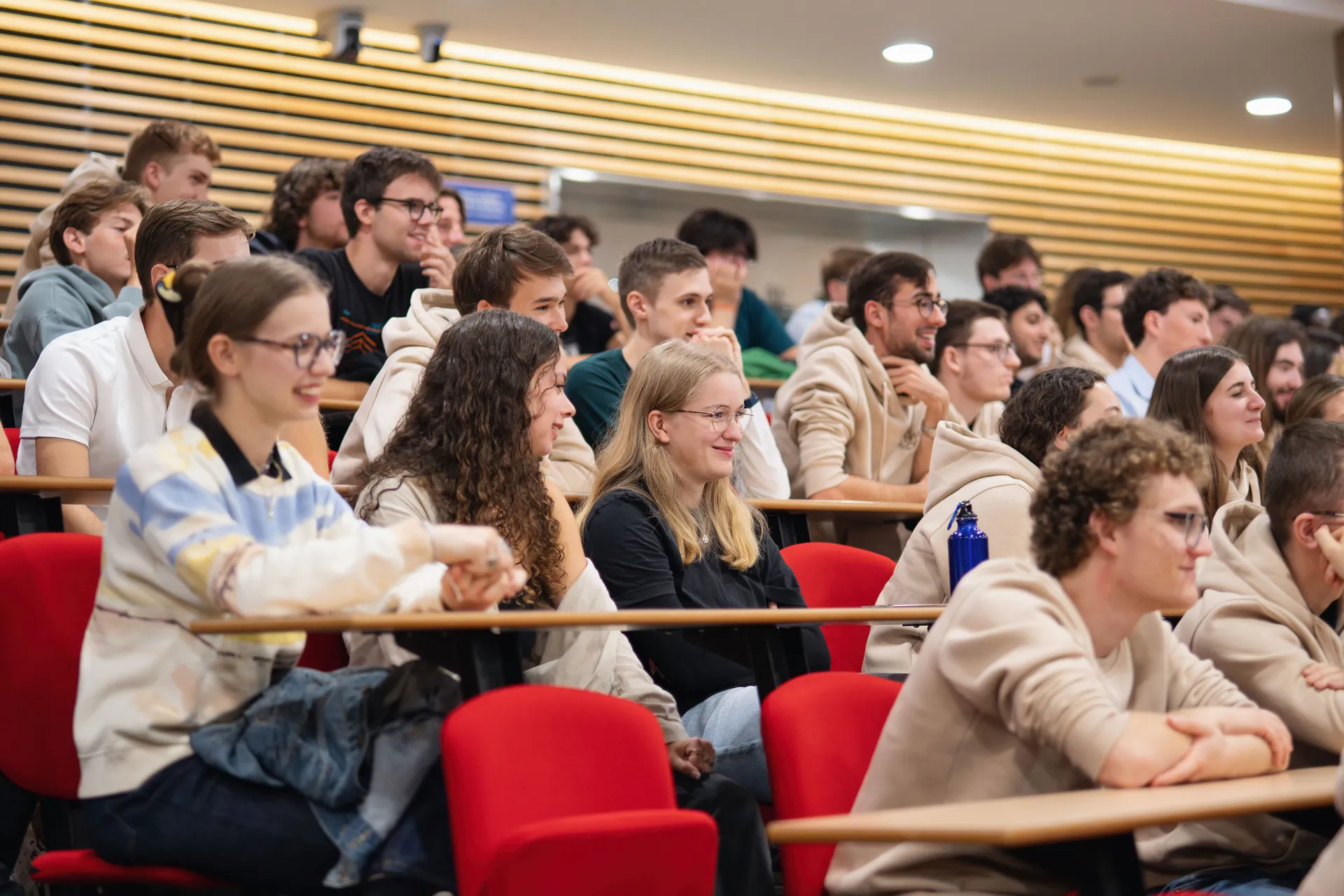
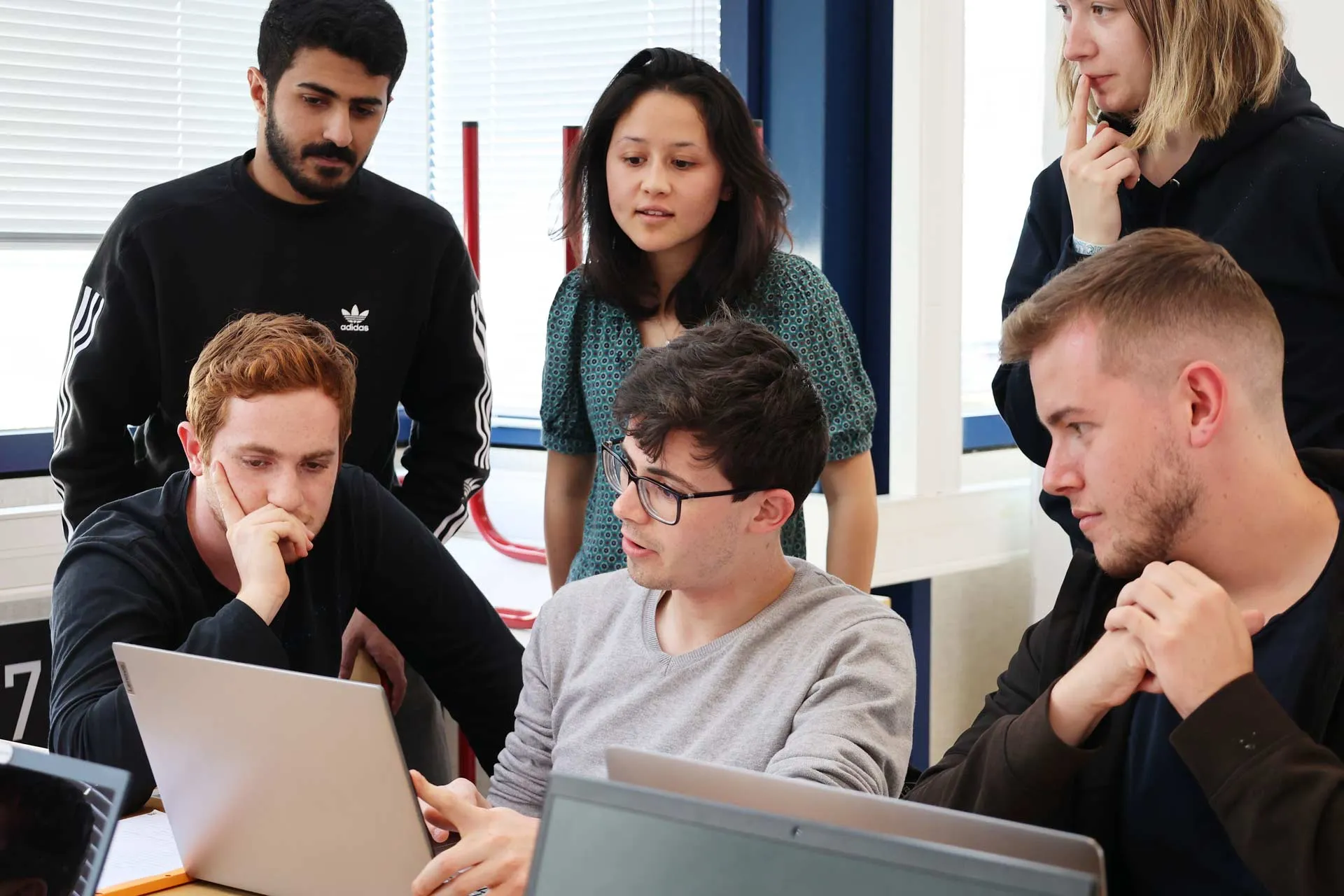

The research activities of ENSTA teams cover a wide range of scientific and technological fields. They are conducted in laboratories recognized for their excellence.

Mechanics

Institut des sciences de la mécanique et applications industrielles (IMSIA)

IMSIA focuses on the mechanics of industrial structures to address major challenges in the low-carbon energy and defense sectors.

Main research topics:

  • Structural longevity and safety (fatigue, fracture, and wear of industrial components)
  • Additive manufacturing and its application to repair
  • Fluid dynamics and two-phase transients
  • Structural vibrations and wave propagation for mechanics

- Joint CNRS-EDF-ENSTA unit (UMR 9219), Paris-Saclay campus -

Institut de recherche Dupuy de Lôme (IRDL)

The IRDL aims to model the properties of materials and mechanical systems in their environment in order to predict their behavior. The laboratory's scientific project focuses on civil and defense maritime applications in materials and mechanical systems engineering.

Main research topics:

  • Modeling and characterization of multi-material assemblies
  • Structures, fluids, and interactions
  • Behavior and durability of materials
  • Multi-scale testing

- CNRS-UBS-ENSTA-UBO-ENIB Joint Unit (UMR 6027), Brest campus -

Information science and computer science

Unité d’informatique et d’ingénierie des systèmes (U2IS)

U2IS conducts research in the field of design and reliability of systems integrating autonomous decision-making processes with applications in intelligent transport, robotics, defense, and energy.

Main research topics:

  • Robotics and artificial intelligence
  • Vision and perception
  • Human-robot interaction
  • Design and validation of systems with high decision-making autonomy
  • Hybrid and cyber-physical systems

- Paris-Saclay campus -

Laboratoire des sciences et techniques de l’information, de la communication et de la connaissance (Lab-STICC)

Lab-STICC covers a broad spectrum of digital sciences, enabling it to address a variety of disciplinary fields, from the design of microwave devices to human-machine interfaces, across multiple application sectors such as defense and security, aerospace, maritime, and healthcare.

Main research topics:

  • Perception, representation, and description of the environment
  • Autonomous exploration robotics
  • Design of software and electronic architectures for embedded systems

- Joint unit CNRS - IMT Atlantique - ENSTA- UBO - UBS - ENIB (UMR 6285), Brest campus -

Applied Mathematics

Unité de mathématiques appliquées (UMA)

The Applied Mathematics Unit has a dual mission of research and teaching (development, management, and teaching of applied mathematics courses). Its activities are grouped into three teams: Inversion of Differential Equations For Imaging and Physi X (IDEFIX), Optimization and Control (OC), and Wave Propagation, Mathematical Study, and Simulation (POEMS).

Main research topics:

  • Modeling of wave propagation phenomena
  • Numerical methods for approximating partial differential equations
  • Inverse problems, non-destructive testing, and imaging
  • Optimization, operational research, and data science
  • Control and analysis of dynamic systems
  • Stochastic analysis and probabilistic models

- In association with CNRS, INRIA, and EDF R&D, Paris-Saclay campus -

Applied physics & optics

Laboratoire d’optique appliquée (LOA)

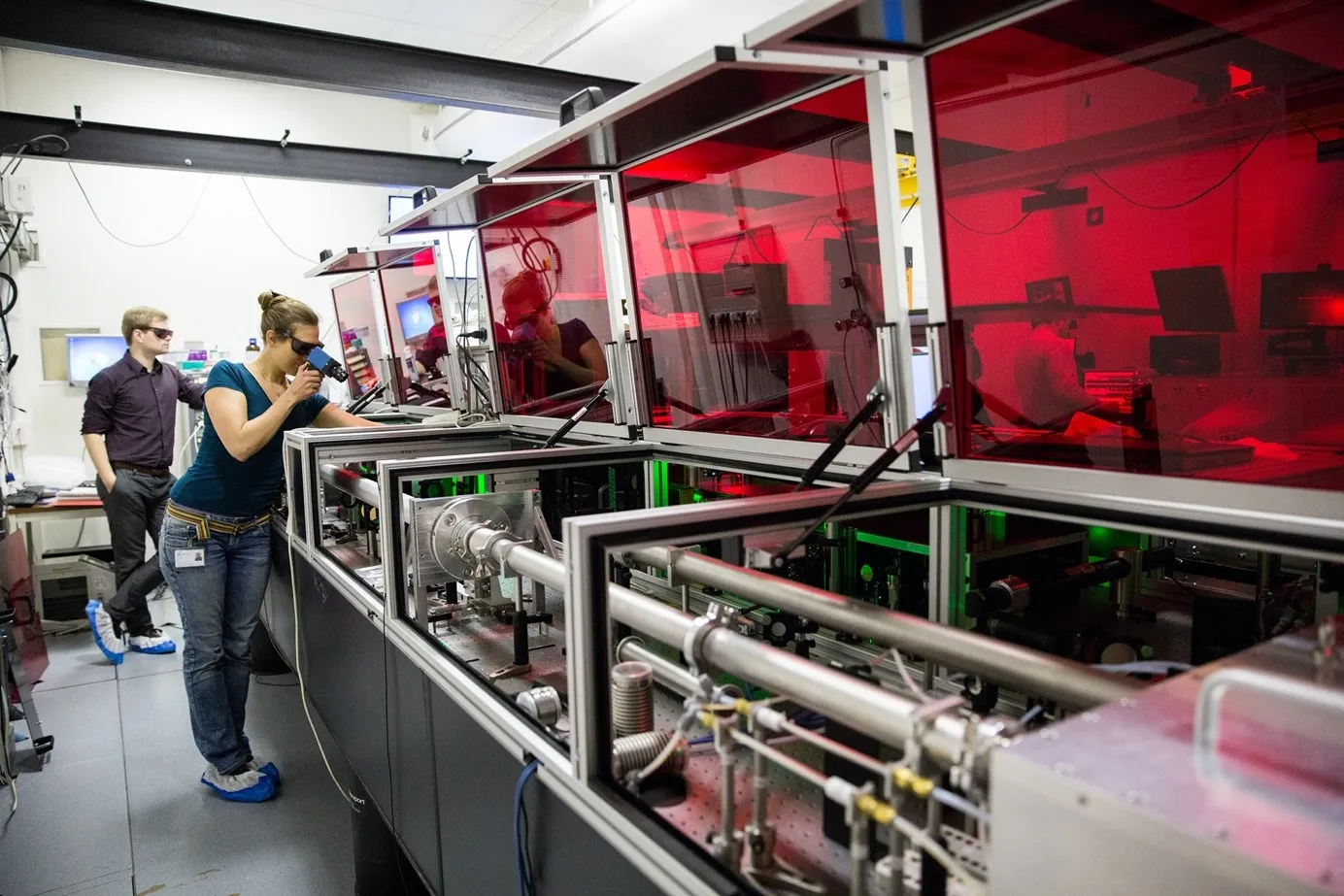
A pioneer in laser-matter interaction and plasma physics for over 30 years, the laboratory's research covers a wide range of topics in ultrafast science, including the development of ultra-intense femtosecond laser systems, the physics of laser filamentation in air, and the creation of compact radiation sources.

Main research topics:

  • Physics of laser-matter interaction and plasma physics
  • Laser particle acceleration
  • Ultra-short and intense lasers
  • Ultrafast dynamics of matter
  • Sources of radiation and energetic particles
  • Quantum sensors

- Joint CNRS-ENSTA-École Polytechnique unit (UMR 7639), Paris-Saclay campus -

Chemistry and Chemical Engineering

Unité de chimie et procédés (UCP)

The Chemistry and Processes Unit's activities focus on two main themes: process engineering and organic synthesis and reactivity.

Main research themes:

  • Combustion and biochemistry
  • Gas hydrates
  • Hydrogen sector
  • Thermodynamics
  • Organic synthesis
  • Mineral synthesis

- Paris-Saclay campus -

Laboratoire de synthèse organique (LSO)

The Organic Synthesis Laboratory focuses its research on the development of new methodologies, the total synthesis of natural products, and the interfaces between organic chemistry and biology.

Main research topics:

  • Development of new methodologies in organic synthesis
  • Total synthesis of natural products
  • Chemistry of heterocycles and biologically active compounds
  • Asymmetric catalysis

- Paris-Saclay Campus -

Humanities, Economics, and Social Sciences

Unité d’économie appliquée (UEA)

The teaching and research activities of the Applied Economics Unit cover cross-disciplinary and specific topics: general and industrial economics, consulting, management, and the economics of R&D and innovation (including dual military/civilian applications), entrepreneurship, mobility, and energy.

Main research topics:

  • Industrial economics and innovation
  • Public policy economics
  • Geographical economics of innovation and entrepreneurship
  • Analysis of socio-economic data using graph theory

- Paris-Saclay Campus -

Unité de recherche Formation et Apprentissages Professionnels (FoAP)

FoAP researchers analyze the dynamics of engineering education and career paths. Conducted with multiple international partners, the projects draw on the laboratory's interdisciplinary approach, which encompasses education sciences, sociology, philosophy, and information and communication sciences to meet the needs of organizations in the fields of maritime engineering, energy, and defense in particular.

Main research topics:

  • Analysis of engineering school and higher education curricula
  • Identity construction and professionalization pathways for engineers
  • Innovative processes and training engineers in responsible innovation
  • Socio-technical approach to engineering activities

- Brest Campus -

Our latest news

Institute | Training | Student Life
Ralph Florian Ngonga has his say

Every weeknight, he makes headlines on France 2 as the current champion of the game show “Tout le Monde a son mot à dire” (Everyone Has Their Say), hosted by Bruno Guillon and Sidonie Bonnec. The rest of the time, he is a diligent student in the...
Ralph Florian Ngonga has his say

Every weeknight, he makes headlines on France 2 as the current champion of the game show “Tout le Monde a son mot à dire” (Everyone Has Their Say), hosted by Bruno Guillon and Sidonie Bonnec. The rest of the time, he is a diligent student in the...

Press release | Innovation | Research
LARIAD, laboratory of the future for defense robotics

On Wednesday, February 18, Estelle Iacona, Director General of ENSTA, and Bertrand Rondepierre, Director of AMIAD, signed the agreement to create LARIAD, the Robotics and AI Laboratory for Defense. Aimed at developing the research programs of both...

LARIAD, laboratory of the future for defense robotics

On Wednesday, February 18, Estelle Iacona, Director General of ENSTA, and Bertrand Rondepierre, Director of AMIAD, signed the agreement to create LARIAD, the Robotics and AI Laboratory for Defense. Aimed at developing the research programs of both...

Research
Robotics at the heart of new pollution control devices

A container falls into the sea, spilling its contents and releasing pollutants of unknown nature. To anticipate such a crisis situation and respond as quickly as possible, teams from CEPPOL and CEDRE, with the help of researchers from ENSTA, collaborated...

Robotics at the heart of new pollution control devices

A container falls into the sea, spilling its contents and releasing pollutants of unknown nature. To anticipate such a crisis situation and respond as quickly as possible, teams from CEPPOL and CEDRE, with the help of researchers from ENSTA, collaborated...