

Experimental platforms

Sur les campus de Paris-Saclay et de Brest de nombreux moyens d'essais sont réunis.

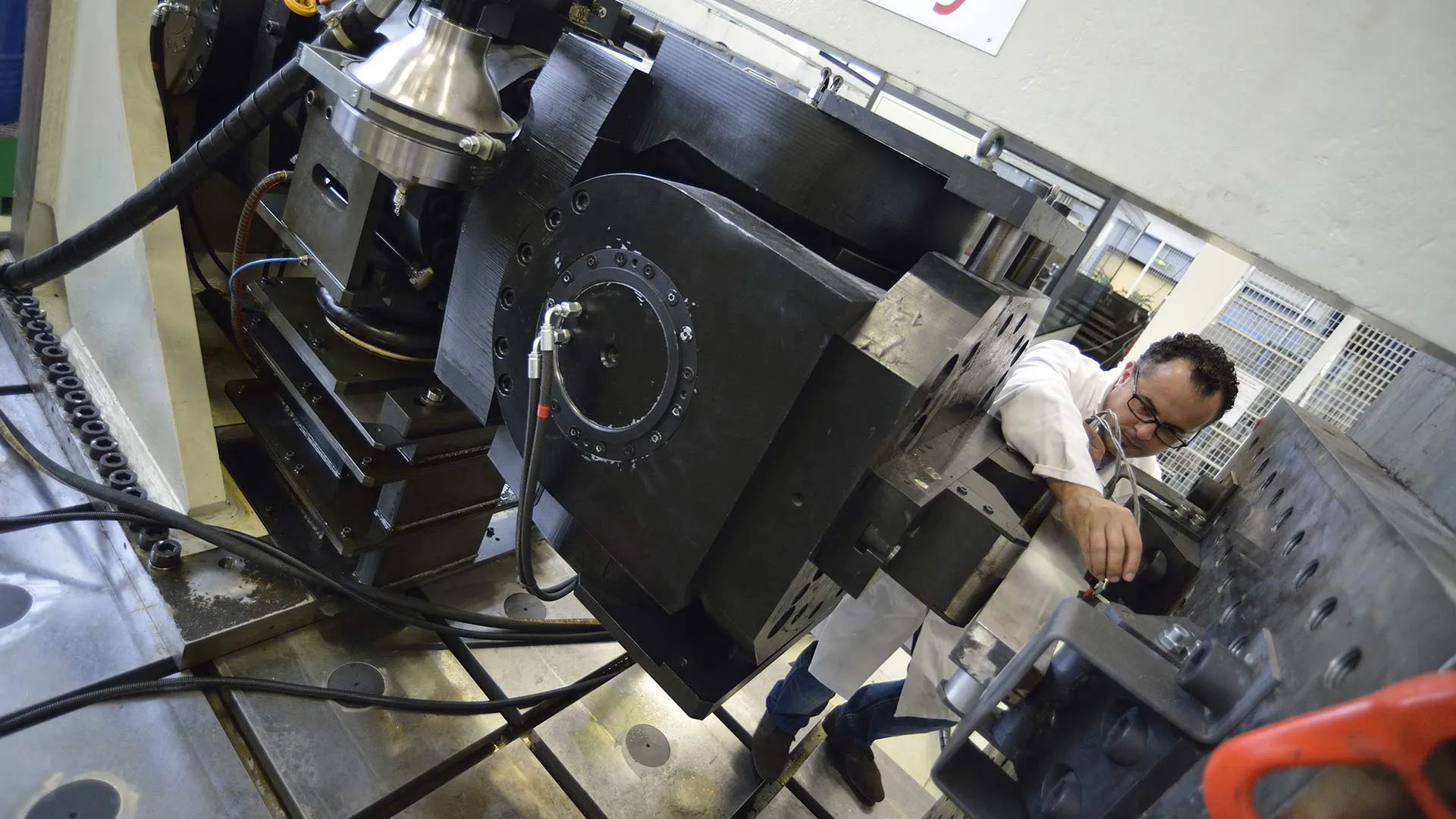
MASMECA technology platform

- Brest campus -

MASMECA is a large-scale experimental technology platform that provides testing, measurement, and observation facilities covering a wide range of scales, from microstructure to ministructure.

Covering an area of 1,500 m², it includes three characterization platforms (dynamic, thermo-mechanical, and physico-chemical) as well as a prototyping workshop.

Discover Masmeca website (in French)

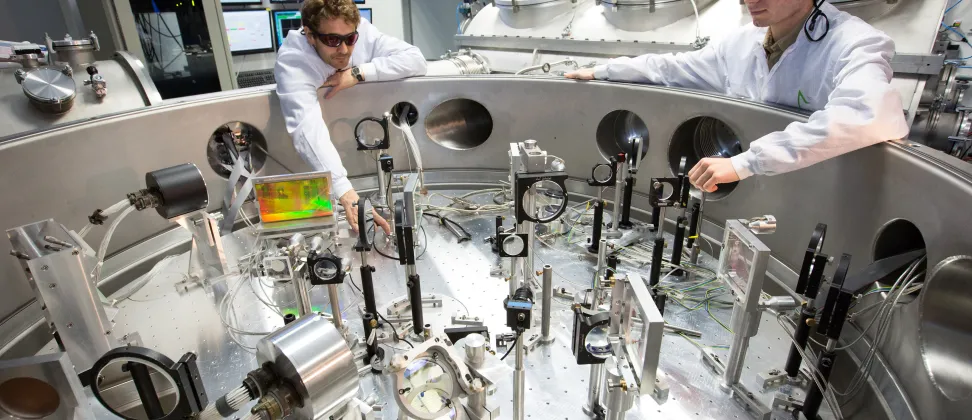
Hydrogen pilot platform

- Paris-Saclay campus -

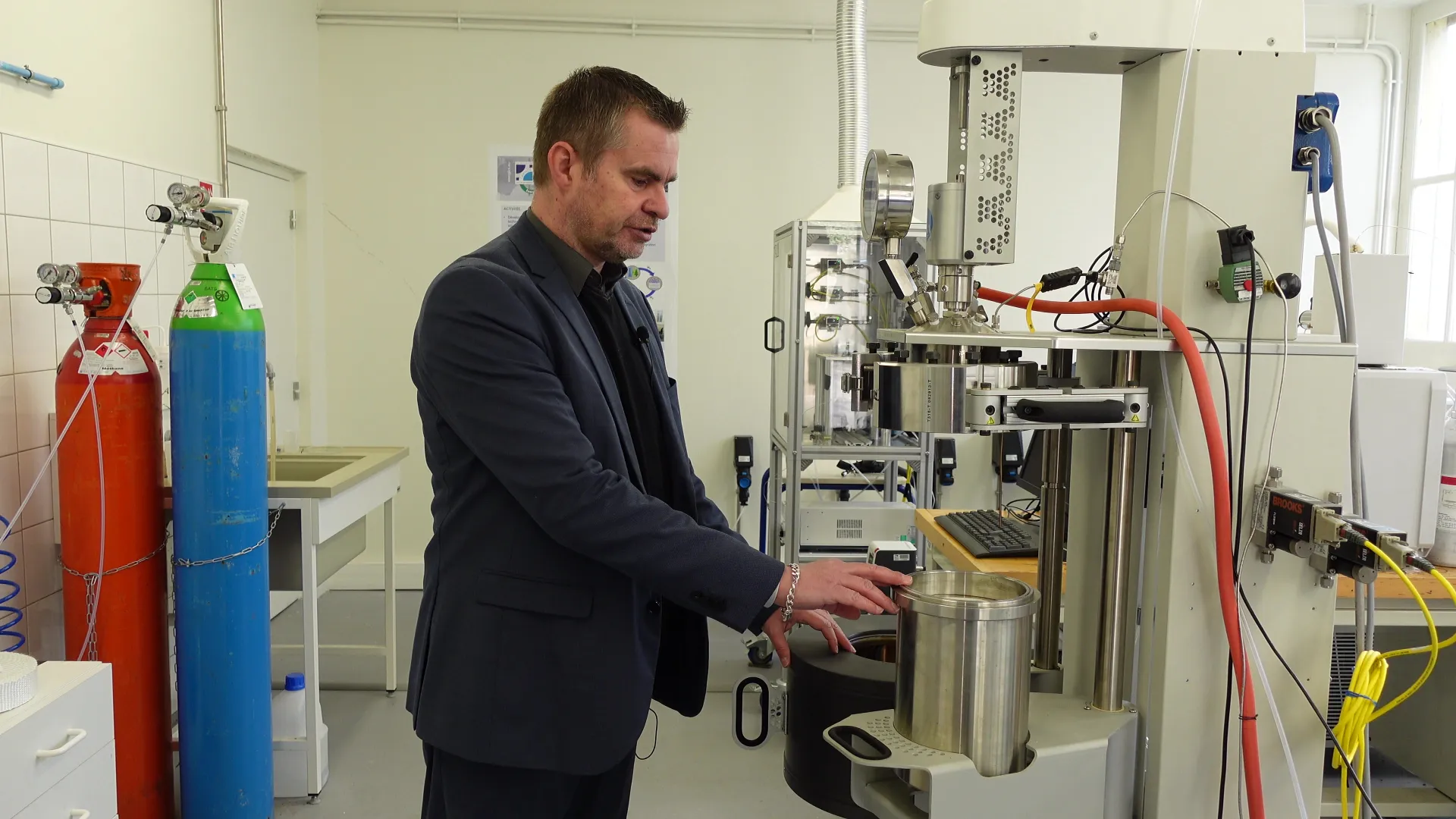
The hydrogen pilot platform enables experiments to be conducted on the crucial stages of the process: production, storage, and combustion. It is thus possible to test the production of “green” hydrogen from biomass, the combustion of various gas mixtures associated with hydrogen that can be injected into natural gas networks, and to research alternatives to very low-temperature storage (hydrates, porous materials).

Air-sea experimentation basin

- Campus de Brest -

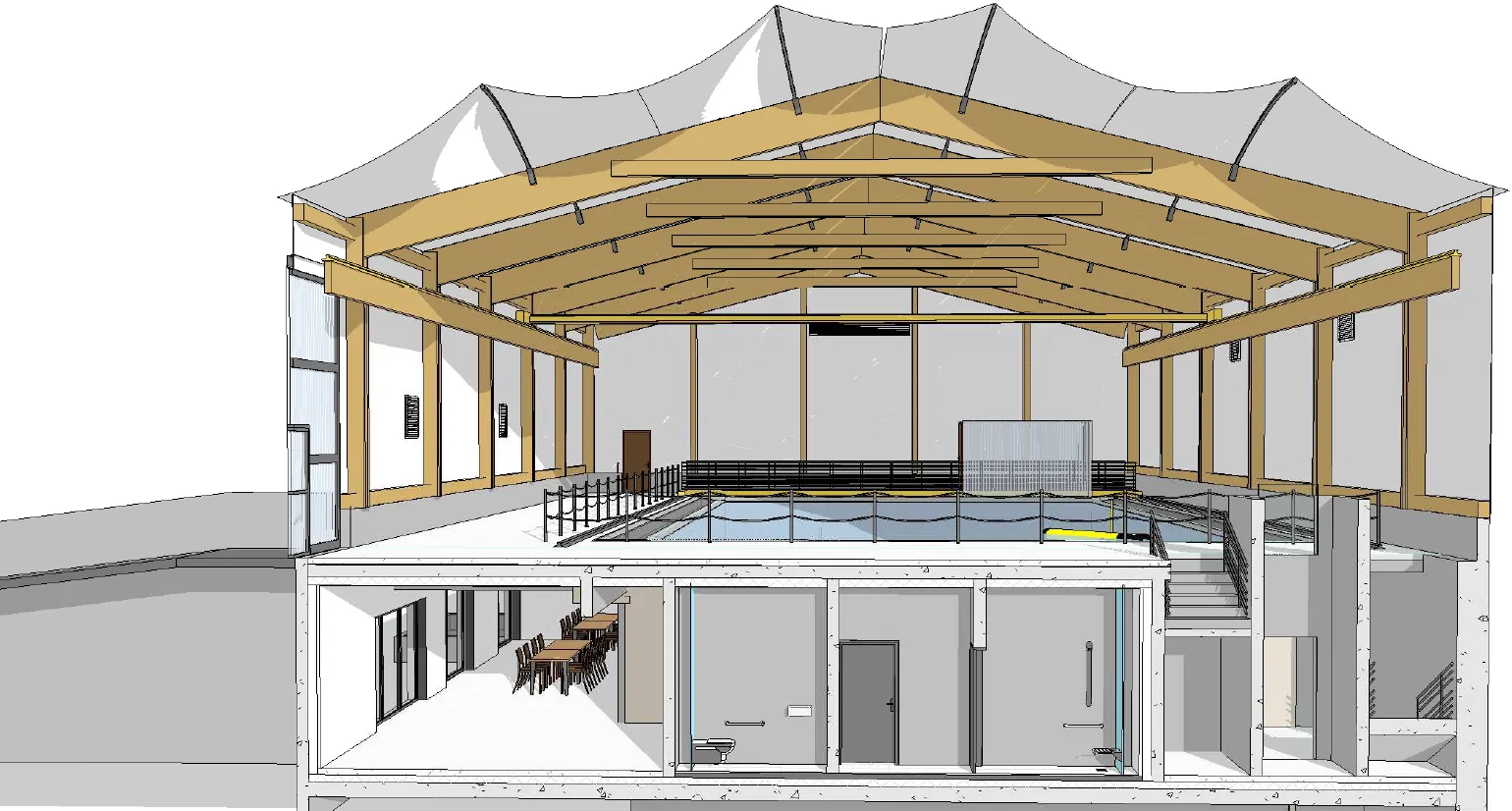
This new test facility, which will be commissioned in early 2026, consists of a large, deep basin (240 m² and 6 m deep) covered by an aviary. The building's structure has been designed using materials that allow GPS signals to pass through, enabling large-scale experiments to be carried out. This facility will be used to validate autonomous marine and underwater exploration systems prior to sea trials.

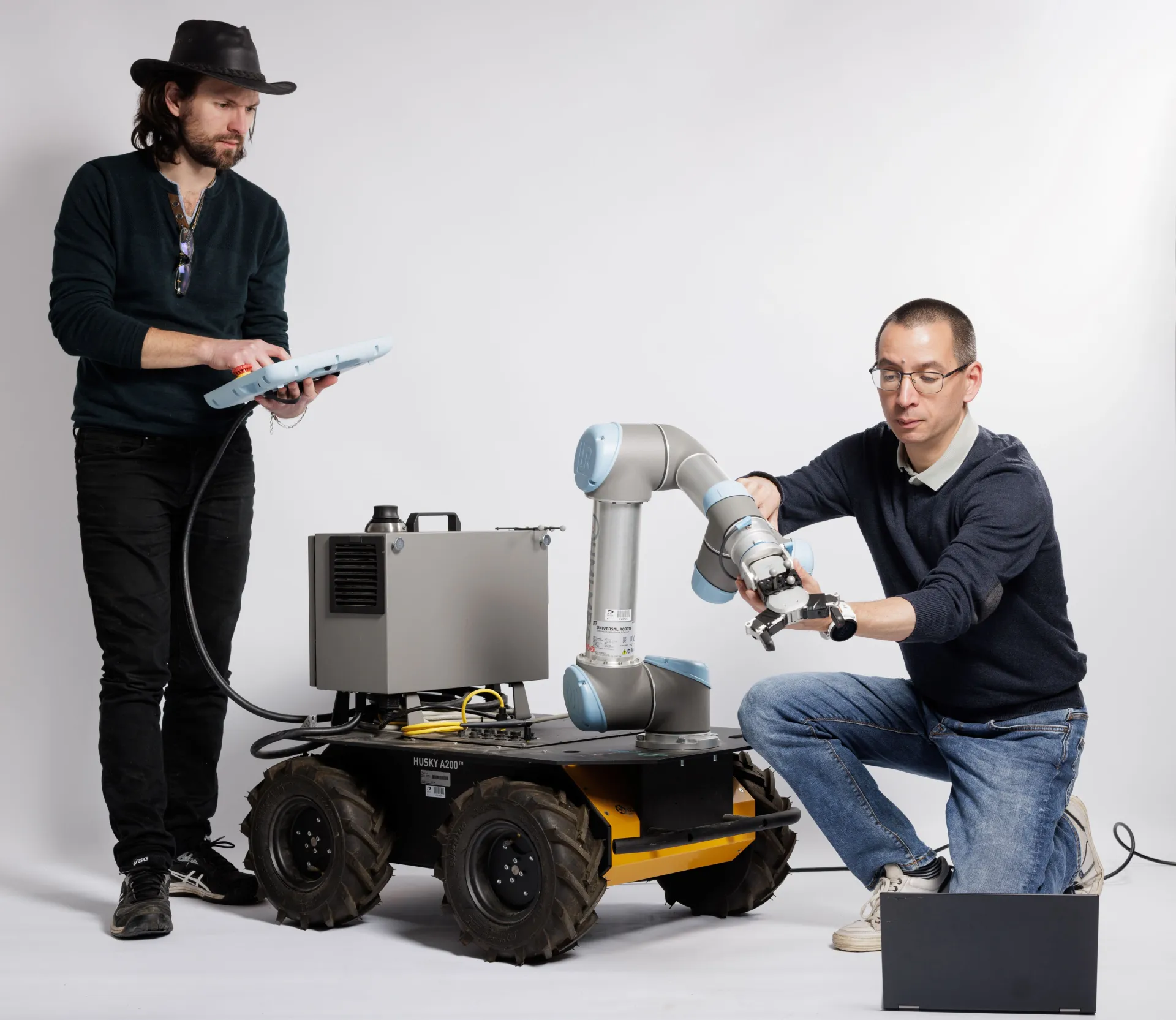
Land robotics platform

- Paris-Saclay campus -

In order to test algorithms and equipment in the field, researchers at U2IS are currently designing a robotic platform on the grounds of the Yvette battery, ENSTA research center on the Paris-Saclay campus, a robotic platform that will soon house one of the largest drone aviaries in Europe, as well as various courses representing a wide variety of environments in order to better meet the challenges of autonomous navigation in open environments.

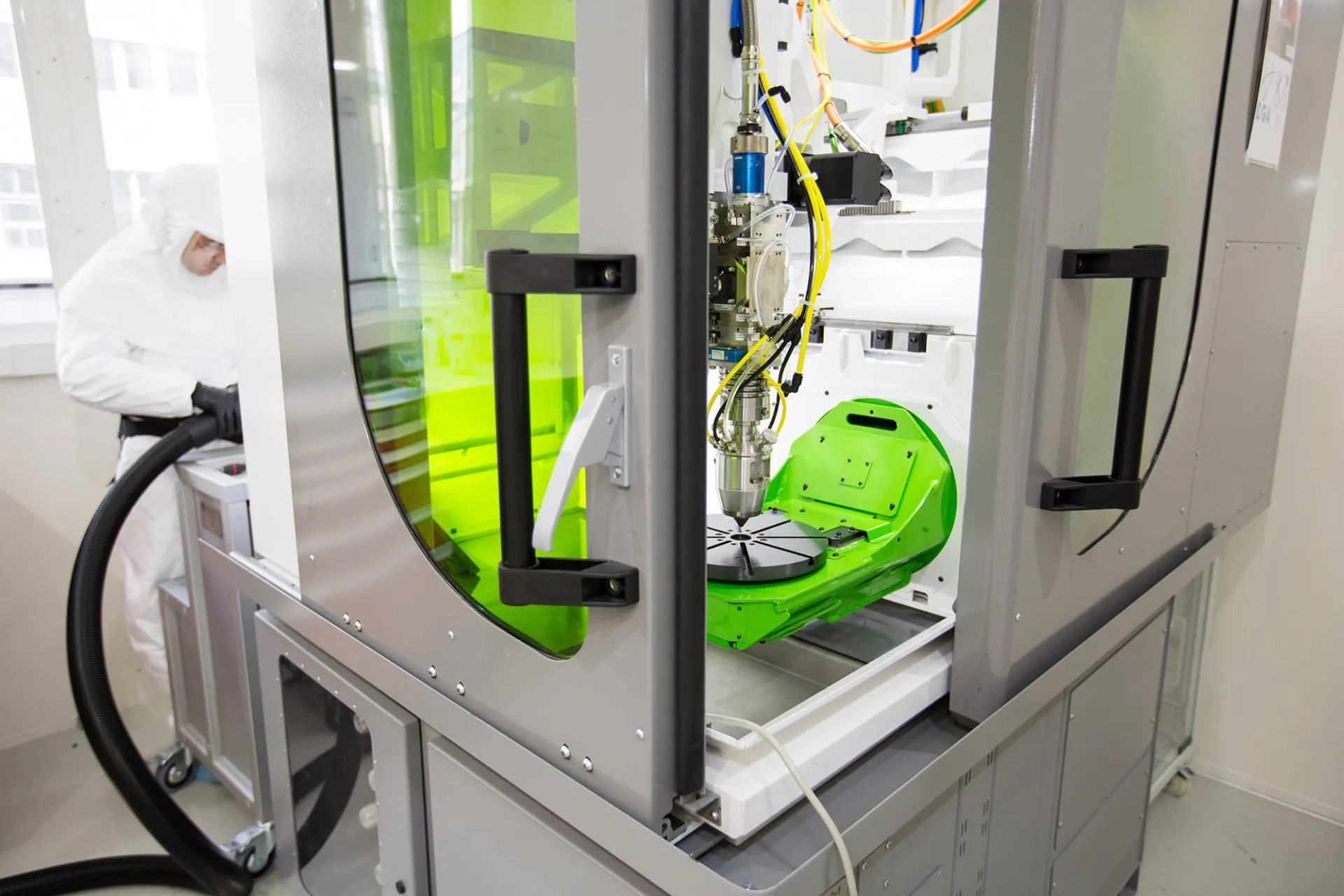
Additive manufacturing platform

- Paris-Saclay Campus -

This workspace is designed around a metal 3D printer that operates on the principle of laser-melted metal powder projection. The result is a homogeneous and dense metal deposit with characteristics between those of castings and forgings.

This platform offers the possibility of designing, manufacturing, and optimizing new forms of materials, working with metals at the limits of weldability, repairing damaged parts, or adding innovative functions to existing parts, thereby achieving previously unattainable performance levels.

Our latest news

Institute | Training | Student Life
Ralph Florian Ngonga has his say

Every weeknight, he makes headlines on France 2 as the current champion of the game show “Tout le Monde a son mot à dire” (Everyone Has Their Say), hosted by Bruno Guillon and Sidonie Bonnec. The rest of the time, he is a diligent student in the...
Ralph Florian Ngonga has his say

Every weeknight, he makes headlines on France 2 as the current champion of the game show “Tout le Monde a son mot à dire” (Everyone Has Their Say), hosted by Bruno Guillon and Sidonie Bonnec. The rest of the time, he is a diligent student in the...

Press release | Innovation | Research
LARIAD, laboratory of the future for defense robotics

On Wednesday, February 18, Estelle Iacona, Director General of ENSTA, and Bertrand Rondepierre, Director of AMIAD, signed the agreement to create LARIAD, the Robotics and AI Laboratory for Defense. Aimed at developing the research programs of both...

LARIAD, laboratory of the future for defense robotics

On Wednesday, February 18, Estelle Iacona, Director General of ENSTA, and Bertrand Rondepierre, Director of AMIAD, signed the agreement to create LARIAD, the Robotics and AI Laboratory for Defense. Aimed at developing the research programs of both...

Research
Robotics at the heart of new pollution control devices

A container falls into the sea, spilling its contents and releasing pollutants of unknown nature. To anticipate such a crisis situation and respond as quickly as possible, teams from CEPPOL and CEDRE, with the help of researchers from ENSTA, collaborated...

Robotics at the heart of new pollution control devices

A container falls into the sea, spilling its contents and releasing pollutants of unknown nature. To anticipate such a crisis situation and respond as quickly as possible, teams from CEPPOL and CEDRE, with the help of researchers from ENSTA, collaborated...